
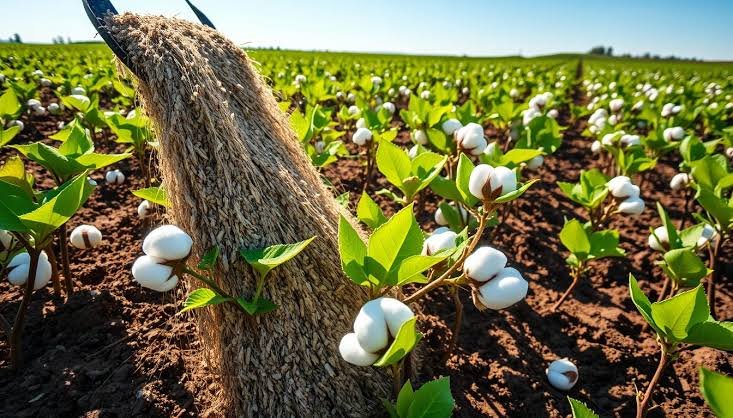
Cotton Farming Guide: Sowing, Fertilizer, Irrigation & Harvesting
Cotton is one of Pakistan’s most important cash crops and a major raw material for the textile industry. Southern Punjab, including Multan, Bahawalpur, Rahim Yar Khan and Dera Ghazi Khan, remains a major cotton-growing belt. For farmers, successful cotton production depends on several factors: quality seed, timely sowing, balanced fertilizer, efficient irrigation, weed control, pest management and careful harvesting. This practical cotton farming guide explains the key steps from land preparation to picking. Why Is Cotton Farming Important? Cotton supports farmers, ginning businesses, textile manufacturers and export markets. Pakistan produced approximately 7.05 million bales of cotton in 2025–26, according to the Pakistan Economic Survey, although production declined slightly from the previous year. The crop also performs best when farmers select varieties suited to their local climate, soil and water availability. In Punjab, research programs particularly focus on varieties that can tolerate heat, drought and major cotton diseases. Cotton Sowing: Choose the Right Time Timely planting is one of the most important cotton farming practices. Farmers should follow local agricultural recommendations because the ideal sowing window varies by region, variety and weather. Before planting: Good seed can improve crop establishment and help create a uniform cotton stand. Soil Preparation for Cotton Cotton grows well in fertile, well-drained soils. Start with proper field preparation rather than relying heavily on fertilizer later. Remove previous crop residues where appropriate, control early weeds and prepare the soil to encourage strong root development. Soil testing can help determine the crop’s actual nutrient requirements. Cotton Fertilizer Management Cotton needs a balanced supply of nitrogen, phosphorus and potassium, along with micronutrients where soil tests indicate a deficiency. Avoid applying fertilizer according to a fixed formula for every field. Instead, consider: Split nitrogen applications can help match nutrient availability with crop growth and reduce unnecessary losses. Farmers should also avoid excessive nitrogen because it can encourage excessive vegetative growth instead of balanced boll development. Irrigation Management Proper irrigation is essential for cotton because both water stress and excessive moisture can reduce productivity. Maintain adequate soil moisture during critical growth stages, particularly around flowering and boll development. At the same time, avoid prolonged waterlogging because cotton roots require adequate aeration. Efficient irrigation can help farmers conserve water while maintaining crop growth. Monitor soil moisture, weather conditions and crop development before deciding when to irrigate. Weed, Pest and Disease Management Early weed competition can restrict cotton growth and reduce yield. Farmers should monitor fields regularly and control weeds before they become established. Common cotton production challenges include cotton leaf curl virus, bollworms, sucking pests and fungal diseases. Punjab’s cotton research program specifically focuses on developing varieties with improved tolerance to heat, drought and diseases such as cotton leaf curl virus. Use integrated pest management (IPM) rather than relying automatically on pesticides. Regular scouting helps identify problems early and allows farmers to select appropriate control measures. Cotton Harvesting Cotton should be picked when bolls are fully opened and the lint is clean and dry. Harvesting immature or wet cotton can reduce fiber quality. For better cotton quality: Several careful pickings may be necessary because cotton bolls do not all open simultaneously. How to Increase Cotton Yield Farmers can improve cotton productivity by focusing on the complete production cycle rather than one input alone. Key practices include: Pakistan’s latest economic data also indicates that improved input use, including fertilizer application, contributed to a marginal improvement in cotton yield even as total production declined. Final Thoughts Successful cotton farming requires timely decisions throughout the growing season. From selecting the right cotton seed and preparing the field to managing fertilizer, irrigation, pests and harvesting, every stage can influence yield and fiber quality. For Pakistani farmers, especially growers in Punjab’s cotton belt, combining improved varieties with efficient crop management can help build a more productive and profitable cotton operation. PakFarming.com brings practical farming information, crop production guides and agricultural insights to farmers and readers interested in modern agriculture in Pakistan and beyond.