Author name: PakFarming Team

Crops Cannot Afford to Water
Daily News

Pakistan Must Stop Growing Crops It Cannot Afford to Water

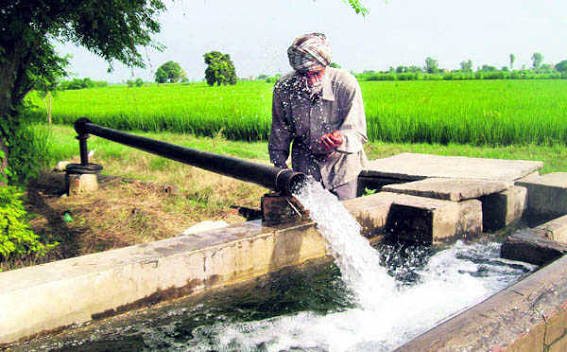
Pakistan’s agriculture has traditionally measured success in tons of wheat, rice, sugarcane and cotton, export earnings and cultivated acreage. But that approach is becoming increasingly outdated. For a country facing growing water stress, the more important question is not simply how much Pakistan can grow. It is how much water each crop consumes—and whether that water will still be available for farmers in the future. Agriculture remains heavily dependent on irrigation, while groundwater has become a critical buffer when canal supplies and rainfall fall short. The World Bank says groundwater provides more than half of Pakistan’s agricultural water and warns that over-abstraction, waterlogging and contamination are threatening this resource. ([World Bank][1]) For Pakistan, the future of farming may therefore depend on one principle: grow crops according to available water, not simply according to market demand. Pakistan’s Agricultural Crisis Is Also a Water Crisis Pakistan has one of the world’s largest irrigation systems, but water availability is becoming a serious constraint on agricultural growth. The problem is not that farmers are using water unnecessarily. Farmers need water to produce food and earn an income. The deeper problem is that agricultural incentives often fail to reflect the real scarcity value of water. A recent World Bank assessment notes that Pakistan’s water governance provides weak incentives for conservation, while crop-specific support and inadequate groundwater regulation can encourage water-intensive production and groundwater extraction. ([World Bank][2]) This creates a dangerous cycle: More irrigation → more production → greater groundwater pumping → declining water security → higher future farming costs. That is not a sustainable agricultural model. Groundwater Is Pakistan’s Hidden Agricultural Bank For millions of farmers, groundwater acts like an emergency savings account. When canal water is insufficient, a tubewell can provide the additional irrigation needed to protect a crop. Groundwater has therefore played a major role in expanding agricultural productivity and stabilizing farm production. But an aquifer is not an unlimited resource. The World Bank has warned that over-exploitation is already affecting parts of Pakistan’s irrigated agricultural landscape, while poor groundwater governance and limited data make sustainable management more difficult. ([World Bank][1]) This means Pakistan needs to start treating groundwater as natural capital, not as free water. Every agricultural policy should consider: These questions could fundamentally change Pakistan’s farming strategy. Solar Tubewells Are Not the Real Problem The rapid adoption of solar irrigation has created concern about groundwater depletion. But blaming solar pumps alone misses the larger issue. Farmers turned toward solar energy because electricity and diesel irrigation can be expensive and unreliable. Solar-powered tubewells can reduce operating costs and give farmers greater control over irrigation. The problem occurs when cheap pumping meets unrestricted groundwater extraction. The World Bank has similarly highlighted how improved access to groundwater can create a risk of over-extraction when water use is not properly monitored. ([World Bank Blogs][3]) Therefore, Pakistan should not simply ban solar pumps. Instead, policymakers should regulate how much water is pumped. That could include tubewell registration, groundwater monitoring, smart metering, aquifer-level extraction limits and incentives for water-efficient irrigation. Sugarcane Shows Why Crop Economics Matter Sugarcane illustrates the complicated relationship between agricultural profitability and water sustainability. The crop can provide attractive returns under suitable conditions, but it also requires substantial irrigation and occupies farmland for a relatively long growing period. When water-stressed regions continue expanding water-intensive crops, farmers may benefit in the short term while the wider economy carries the long-term environmental cost. The issue becomes even more important when agricultural commodities are exported. An export is not only a shipment of sugar, rice or cotton. It also represents the water, energy, fertilizer, land and labor used to produce that commodity. Pakistan therefore needs to understand its agricultural exports through the concept of virtual water—the water embedded in traded agricultural products. Rice Exports: Economic Success With a Water Question Rice demonstrates why export performance alone cannot define agricultural success. Pakistan experienced a major increase in rice exports during FY2023-24. Official Pakistan Bureau of Statistics data show that exports of non-basmati rice alone were worth about $3.06 billion, with shipments exceeding 5.25 million tonnes. Basmati rice exports added another $877 million. ([Pakistan Bureau of Statistics][4]) These figures represent an important source of foreign exchange. But there is another side to the story. If rice production expands in areas where groundwater is already under pressure, policymakers need to calculate the blue-water footprint behind those exports. In other words: How many cubic meters of scarce surface and groundwater are required to generate one dollar of agricultural export revenue? That metric could become far more useful than production volume alone. Rice can remain an important Pakistani crop. But its expansion should depend on local water availability, irrigation efficiency, crop productivity and groundwater conditions. Water Efficiency Alone Will Not Solve the Problem Pakistan has invested in technologies such as laser land leveling, drip irrigation, sprinklers and improved irrigation practices. These technologies can significantly improve farm-level water management. But there is an important catch. If a farmer saves water on one acre and then uses that saving to cultivate another acre of a thirsty crop, the farmer may become more efficient while the overall basin continues consuming the same amount—or more—water. This is known as the difference between field-level efficiency and basin-level water savings. Pakistan therefore needs to move beyond simply asking: How much water did the farmer save? The better question is: How much water did the entire watershed or aquifer actually save? That distinction is essential for sustainable irrigation management. Pakistan Needs Hydrological Crop Zoning The solution is not to label one crop universally “good” and another universally “bad.” Instead, Pakistan should adopt hydrological zoning. Different agricultural regions have different rainfall patterns, soil conditions, canal supplies, groundwater quality and recharge rates. Crop planning should reflect those differences. Southern Punjab Southern Punjab can strengthen crops that provide strong economic returns without putting excessive pressure on already stressed water resources. Cotton, oilseeds, pulses and carefully selected horticultural crops can play a larger role where local conditions support them. Central Punjab Areas
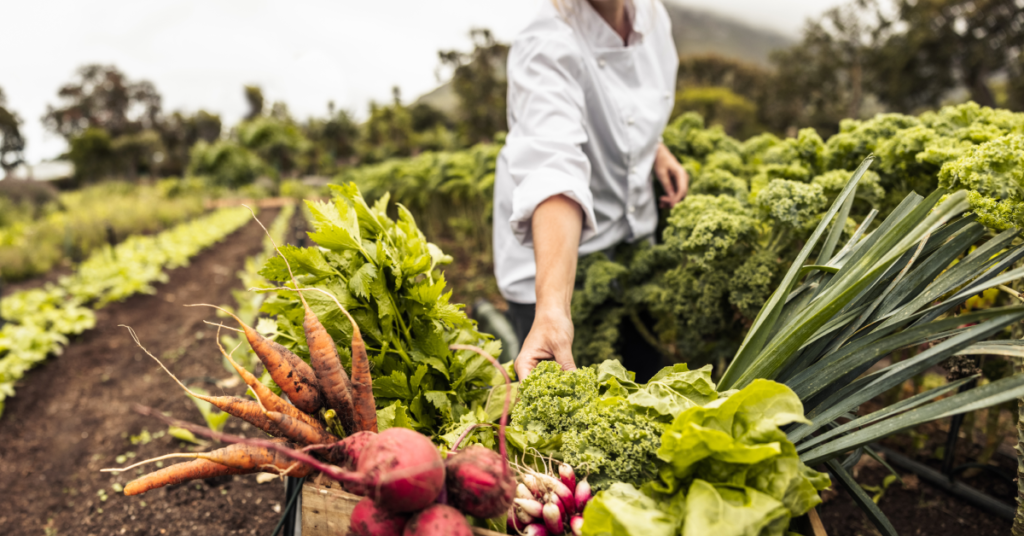
10-most-profitable-crops-for-small-farms-pakfarming
Important Blogs

Best High-Value Crops for Small Farmers in Pakistan: 10 Profitable Options

For small farmers, growing the same traditional crops every season can limit income potential. Rising input costs, water shortages, changing weather patterns, and unpredictable commodity prices are pushing farmers to explore high-value crops that can generate greater returns from limited land. The good news is that small farms do not always need more acres to become more profitable. In many cases, the better strategy is to grow higher-value produce, improve productivity, reduce resource waste, and sell directly to better-paying markets. Pakistan’s agricultural institutions are increasingly promoting crop diversification and high-value agriculture. Punjab’s current agricultural programs, for example, specifically support high-value crops, efficient irrigation, and diversification of agricultural value chains. But which crops are worth considering? Here are some of the best high-value crops for small farmers in Pakistan. 1. Vegetables Vegetables can be an attractive option for farmers with limited land because many varieties have relatively short production cycles and can be planted more than once depending on the region. Potential crops include: Punjab’s Agriculture Department lists numerous vegetable varieties adapted to different growing seasons and irrigated areas, including onion, brinjal, coriander, spinach, okra, carrot, cucumber, turmeric, and several gourds. For small farmers, the opportunity becomes stronger when vegetables are sold directly to restaurants, retailers, supermarkets, processors, or local consumers rather than relying entirely on wholesale markets. 2. Chilies Chili farming can be an interesting high-value crop opportunity because chilies can be sold fresh or processed into dried chilies, flakes, powder, sauces, and other products. Value addition can significantly change the economics of a crop. Instead of selling everything immediately after harvest, farmers can explore properly managed drying, grading, packaging, and direct marketing where food-safety and market requirements are met. Farmers should select varieties according to local climate, disease pressure, water availability, and buyer requirements. 3. High-Value Fruits Fruit production can generate strong returns, but it usually requires greater patience than annual vegetables. Depending on the region, farmers can consider: Punjab’s agricultural research programs are actively evaluating and promoting high-value fruit crops, including grapes, figs, avocado, blackberries, citrus, and other fruit varieties for suitable areas. The important word is suitable. A crop that performs exceptionally well in one district may fail economically in another because of temperature, water, soil, disease, or market conditions. 4. Dates Date palm farming can provide a long-term opportunity in suitable hot and dry regions. Pakistan already has an established date industry, while Punjab’s Agriculture Department has been testing high-value varieties such as Ajwa, Medjool, Khalas, Amber, and Barhee as part of a high-value horticulture initiative. Premium varieties can potentially achieve better market positioning than ordinary fruit, particularly when farmers focus on quality, grading, packaging, and branding. However, date palms are a long-term investment, so farmers should not expect immediate returns. 5. Grapes Grape farming is another crop worth considering in areas with appropriate growing conditions. Punjab’s BARI has evaluated grape varieties for the Potohar and rainfed regions. Its published information includes varieties such as Sultanina-C, Vitro Black, and Sugra-1. Grapes can create additional income opportunities through fresh-market sales and, depending on regulations and market demand, value-added products. Successful production requires suitable varieties, trellising, pruning, irrigation management, pest control, and careful harvesting. 6. Figs Figs are increasingly attracting attention as a high-value fruit crop because of their premium positioning and potential for fresh and dried markets. Punjab’s BARI reports the release of a Black Ball fig variety for the Potohar region and adjoining plain areas, describing it as early maturing and suitable for the region. Figs can also be marketed in different forms, including fresh fruit and properly processed dried products. For small farmers, this creates an opportunity to focus on quality rather than simply production volume. 7. Olive Olive farming in Pakistan is particularly relevant for farmers in suitable rainfed and semi-arid regions. Olives can provide multiple revenue opportunities because farmers can sell fruit for processing and potentially produce olive oil and other value-added products. Punjab’s current agricultural initiatives include olives among the high-value crops being promoted in the Potohar region, alongside water-efficient irrigation and solar-powered lift irrigation. BARI also provides olive oil extraction services and promotes value-added olive products, giving farmers opportunities to move beyond raw fruit sales. The main drawback is time: an olive orchard requires patience before reaching commercially meaningful production. 8. Medicinal and Aromatic Plants Small farmers can also investigate medicinal plants and aromatic crops, especially where local buyers or processors are available. Potential options include: Punjab’s Agriculture Department specifically identifies medicinal plants and spices such as quinoa, stevia, fennel, psyllium, nigella, carom, tulsi, and linseed as alternative high-value crops for research and development. These crops can be attractive because some require comparatively modest water inputs and can diversify farm income. Research initiatives in Potohar also highlight medicinal and aromatic plants as potential options for less-productive soils and income diversification. 9. Strawberries and Other Specialty Berries Specialty fruits can command premium prices when farmers can consistently deliver good quality. Strawberries, blackberries, and other berries can appeal to urban consumers, restaurants, bakeries, supermarkets, and food businesses. Punjab’s agricultural research institutions are studying high-value berries and other specialty fruit crops for suitable areas. However, small farmers should research the market before planting. Premium crops can also have higher post-harvest and transportation risks because many berries are highly perishable. 10. Ginger and Specialty Crops Ginger is another high-value crop being promoted in specific agricultural development programs. Punjab’s Potohar transformation project includes ginger, olives, groundnut, and other high-value crops while also promoting efficient irrigation and farmer training. Specialty crops can give small farmers an opportunity to diversify away from conventional commodities, but profitability depends heavily on seed or planting material costs, yield, disease management, labor, and the final selling price. How Small Farmers Can Increase Profit Growing a high-value crop does not automatically mean making a high profit. The real advantage comes from combining crop selection with efficient production and smart marketing. Use Efficient Irrigation Water management can have a major impact on profitability. Drip and sprinkler systems can help farmers deliver water more

How to Start a Mushroom Farming
Important Blogs

How to Start a Mushroom Farming Business in Pakistan Complete Beginner’s Guide

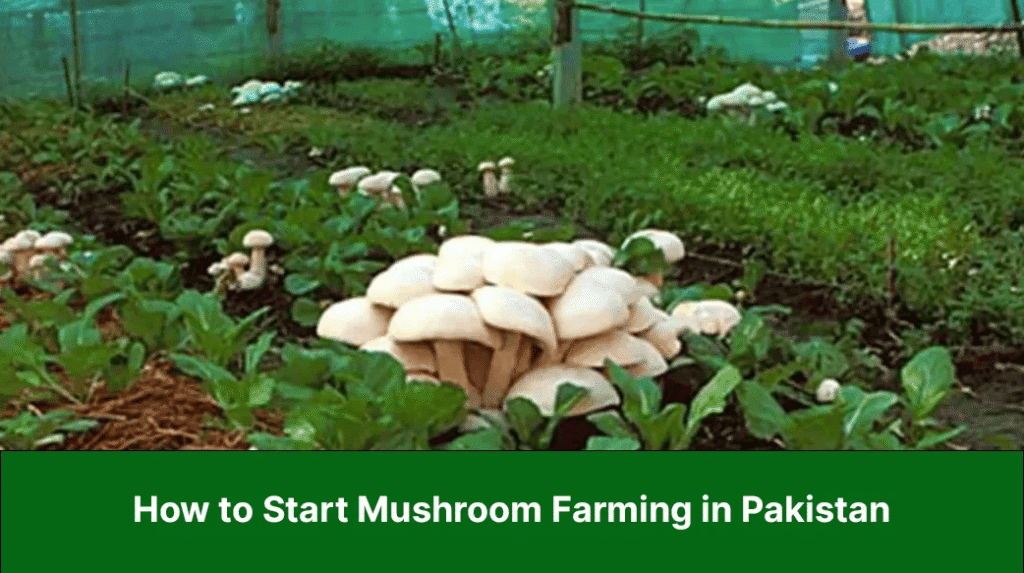
Mushroom farming in Pakistan is an emerging agricultural business that can turn a small indoor space into a productive farm. Unlike conventional crops, mushrooms do not require large fields, and farmers can grow them in controlled rooms using agricultural by-products such as wheat straw, rice straw, sawdust, and other suitable materials. For beginners, oyster mushroom farming is an attractive starting point because the crop can be cultivated on several types of agricultural waste and follows a relatively straightforward production process. Pakistani research has also evaluated wheat straw, sawdust, cardboard, and other locally available substrates for oyster mushroom production. If you are searching for how to start mushroom farming, this guide explains the basic process, equipment, costs, marketing opportunities, and mistakes to avoid. Why Start a Mushroom Farming Business? Mushrooms offer several advantages compared with conventional field crops. You can potentially: A major advantage is that mushroom cultivation can convert agricultural residues into a food product, creating additional value from materials that might otherwise have limited economic value. Choose the Right Mushroom Variety The first major decision is selecting a mushroom species. Oyster Mushrooms Oyster mushrooms (Pleurotus spp.) are generally a practical choice for beginners. They can grow on materials such as wheat straw, rice straw, sawdust, cotton waste, and other suitable agricultural residues. Button Mushrooms Button mushrooms have strong commercial demand but require more specialized environmental management and composting. Shiitake Mushrooms Shiitake can target premium markets, although production methods and growing requirements differ from oyster mushrooms. For a new farmer, starting with oyster mushroom cultivation can make the learning process easier before moving into more specialized varieties. Step 1: Select a Suitable Growing Space You do not necessarily need expensive farmland. A clean room, shed, or purpose-built growing facility can be adapted for mushroom production. The space should allow you to manage: Your growing room should also be easy to clean and preferably separated from areas where dirty substrate, waste, or animals are kept. Step 2: Prepare the Mushroom Substrate The substrate is the material on which mushroom mycelium grows. For oyster mushrooms, common options include: Wheat straw is particularly relevant for Pakistan because it is widely available in agricultural areas. The substrate is normally chopped, hydrated, and treated to reduce competing microorganisms before mushroom spawn is introduced. ICAR-IIHR describes chopped straw, moisture management, and hot-water or steam pasteurization as established oyster mushroom cultivation practices. Step 3: Pasteurize the Substrate This is one of the most important stages. Untreated agricultural waste can contain molds, bacteria, insects, and other organisms that compete with mushroom mycelium. For small-scale oyster mushroom production, hot-water pasteurization can be practical. Larger operations may use steam-based systems or commercial sterilization equipment. After treatment, allow the substrate to cool before spawning. Never add mushroom spawn to excessively hot substrate, because high temperatures can damage the living mycelium. Step 4: Add Mushroom Spawn Mushroom spawn acts somewhat like seed in conventional crop production. It contains actively growing mushroom mycelium. Mix or layer the spawn with the prepared substrate and pack the material into clean polypropylene or suitable cultivation bags. Good hygiene is critical during this stage. Use clean tools, clean surfaces, quality spawn, and properly treated substrate to reduce contamination. Step 5: Incubate the Bags Place the inoculated bags in a clean incubation area. During spawn running, the white mycelium gradually spreads through the substrate. The exact temperature and duration depend on the mushroom variety and production system. For oyster mushrooms, published cultivation guides commonly use controlled conditions around the low-to-mid 20s °C during colonization. Avoid unnecessary disturbance during this stage. The objective is to allow the mycelium to colonize the substrate uniformly. Step 6: Move to the Fruiting Room Once the substrate is adequately colonized, prepare the bags for fruiting. Small openings or slits can be made in suitable positions so mushroom clusters can emerge. At this stage, humidity, fresh air, temperature, and appropriate light become important. Pakistan-focused research on oyster mushrooms found favorable results under controlled temperature and humidity conditions, although the optimum can vary by substrate and variety. Do not rely on a single temperature number for every mushroom species. Always follow requirements for the specific variety you grow. Step 7: Control Humidity and Ventilation Mushrooms require adequate moisture, but excessive wetness can create contamination problems. Use a hygrometer to monitor relative humidity and maintain suitable environmental conditions. Fresh-air exchange is equally important. Poor ventilation can lead to excessive carbon dioxide and abnormal mushroom development. A good growing room therefore needs a balance between: Humidity + Fresh Air + Temperature + Cleanliness Avoid directly soaking developing mushrooms. Fine misting and appropriate environmental control are generally preferable to flooding the growing area with water. Step 8: Harvest the Mushrooms Harvest timing affects quality and market value. Oyster mushrooms are generally harvested when the caps have developed properly but before they become excessively mature. Gently twist or cut the clusters while avoiding unnecessary damage to the growing substrate. Commercial production can produce multiple flushes, meaning additional rounds of mushrooms from the same growing block under suitable conditions. Basic Equipment for a Small Mushroom Farm A beginner may need: As production expands, farmers can add humidifiers, environmental controllers, cooling equipment, better shelving, and dedicated pasteurization facilities. How Much Does Mushroom Farming Cost? There is no universal startup cost because the investment depends on production capacity and whether you already have a suitable building. Your budget should include: Facility + racks + spawn + substrate + bags + pasteurization + water + electricity + labor + packaging + transportation + marketing. Start with a small pilot batch instead of investing heavily at the beginning. This lets you learn contamination control, environmental management, harvesting, and customer preferences before expanding. How to Sell Mushrooms in Pakistan Growing mushrooms is only half the business. Finding customers is equally important. Potential buyers include: Fresh mushrooms are perishable, so develop your sales network before production reaches commercial scale. You can also explore dried mushrooms, mushroom powder, packaged products, and value-added foods where regulations, food

top-ten-profitable-agriculture-business-ideas-successful-farming
Important Blogs

10 Most Profitable Farming Businesses in Pakistan: Best Agriculture Ideas for Higher Income

Pakistan’s agriculture sector is much bigger than traditional wheat, rice, and cotton farming. For entrepreneurs and farmers looking for better returns, livestock, poultry, horticulture, fisheries, beekeeping, mushrooms, and high-value crops can create attractive business opportunities. Agriculture remains a major part of Pakistan’s economy and rural employment. The Pakistan Bureau of Statistics reports that agriculture, forestry, and fishing contribute significantly to national economic activity, while livestock represents a particularly important part of agricultural value added. But profitability depends on location, land size, input costs, market access, management skills, climate, and selling prices. There is no single farming business that guarantees profit. Here are 10 promising farming businesses in Pakistan for entrepreneurs and farmers exploring modern agriculture opportunities. 1. Dairy Farming Dairy farming is one of Pakistan’s most established agricultural businesses. Farmers can generate income from milk while also earning from calves, breeding animals, manure, and other livestock-related activities. Demand for fresh milk remains strong across Pakistan, creating opportunities for small, medium, and commercial dairy farms. How to improve dairy farm profitability The key to profitability is not simply owning more animals. High milk productivity, controlled feed costs, animal health, and consistent sales matter more. 2. Poultry Farming Poultry farming can provide faster production cycles than many traditional livestock businesses. Entrepreneurs can focus on broiler production, egg farming, breeder operations, or specialized poultry products. A successful poultry business requires careful control of: Because poultry prices and feed costs can fluctuate, farmers should understand their local market before investing heavily. 3. Fish Farming Pakistan has opportunities for commercial fish farming where water resources, land, and suitable climatic conditions are available. Farmers can raise species such as carp and other commercially suitable freshwater fish. Fish farming can become particularly attractive when farmers have access to reliable water and nearby markets. A profitable fish farm depends on pond preparation, stocking density, water quality, feed management, disease monitoring, and harvesting at the right market size. 4. Goat Farming Goat farming in Pakistan is attractive for farmers who want to enter livestock production with relatively flexible land requirements. Goats can provide income through meat, breeding stock, milk, and seasonal demand. For better returns, farmers should focus on: Goat farming can also complement crop production because farmers can integrate livestock with existing agricultural resources. 5. Beekeeping and Honey Production Beekeeping is a comparatively small-scale farming business that can generate income without requiring large areas of farmland. Bees produce honey while also supporting pollination, which can benefit fruit, vegetable, and seed production. Pakistan’s diverse agricultural landscapes provide opportunities for apiculture and honey production, particularly where flowering crops, orchards, and natural vegetation provide suitable forage. Farmers can potentially earn from: Quality control, proper hive management, disease prevention, and packaging are essential for building a profitable honey brand. 6. High-Value Vegetable Farming Traditional field crops are not the only way to use agricultural land. Farmers can consider high-value vegetables such as tomatoes, chilies, cucumbers, capsicum, leafy greens, and other crops suited to local conditions. Profitability can increase when farmers combine efficient irrigation, protected cultivation, improved seeds, good crop management, and direct access to urban markets. For entrepreneurs near major cities, supplying restaurants, supermarkets, wholesalers, and food processors can create additional opportunities. 7. Fruit Orchard Farming Pakistan’s diverse climate supports numerous fruit crops, making fruit farming and commercial orchards another promising agricultural business. Depending on location, farmers can explore mangoes, citrus, guava, dates, apples, kinnow, peaches, plums, and other commercially suitable fruits. Orchards require patience because many fruit trees take years to reach full production. However, established orchards can become long-term agricultural assets. Farmers can increase their revenue potential through: The biggest opportunity may not always be producing more fruit—it can be selling better-quality fruit at a stronger price. 8. Mushroom Farming Mushroom farming is an interesting option for entrepreneurs with limited agricultural land. Unlike conventional field farming, mushrooms can be cultivated in controlled environments using suitable growing materials and carefully managed temperature and humidity. This business can appeal to urban and peri-urban entrepreneurs because production can take place in relatively small spaces. However, mushrooms are sensitive to contamination and environmental conditions. Successful growers need knowledge of sanitation, growing media, humidity, temperature, harvesting, storage, and marketing. 9. Floriculture and Nursery Business Flowers and ornamental plants can turn agriculture into a higher-value commercial enterprise. Floriculture, plant nurseries, landscaping plants, and ornamental gardening can serve customers ranging from households to hotels, offices, event planners, landscapers, and property developers. Entrepreneurs can produce: A nursery business can become particularly attractive when located close to a large urban market. The business also benefits from value-added services such as landscaping, delivery, plant maintenance, and garden design. 10. Organic and Specialty Farming Consumer interest in organic food, specialty vegetables, herbs, and premium agricultural products creates another potential niche. Instead of competing entirely on volume, farmers can target customers willing to pay for quality, traceability, specialized varieties, or carefully managed production. Potential products include: Farmers should avoid assuming that simply labeling a product “organic” guarantees higher profits. Certification, production standards, packaging, logistics, customer trust, and market demand all influence the final return. How to Choose the Right Farming Business The most profitable farming business for one farmer may be completely unsuitable for another. Before investing, evaluate five important factors: 1. Local Climate Choose an enterprise suited to your area’s temperature, rainfall, soil, and water availability. 2. Market Demand Find out who will purchase your product before starting production. 3. Initial Investment Calculate land preparation, livestock, seed, equipment, buildings, irrigation, labor, feed, electricity, and working capital. 4. Production Cycle Understand how long it will take to generate revenue. Poultry can have a relatively short production cycle, while orchards require a much longer investment horizon. 5. Profit Margin Don’t judge a business by its selling price alone. Calculate revenue minus feed, seed, fertilizer, labor, electricity, water, transportation, mortality, maintenance, and other operating expenses. Modern Technology Can Increase Farm Profitability Technology is becoming increasingly important in Pakistan’s agriculture sector. Farmers can use drip irrigation, solar-powered systems, agricultural drones, farm management software, soil

How Drones Can Help Pakistani Farmers
Important Blogs

How Drones Can Help Pakistani Farmers: A New Era of Precision Agriculture

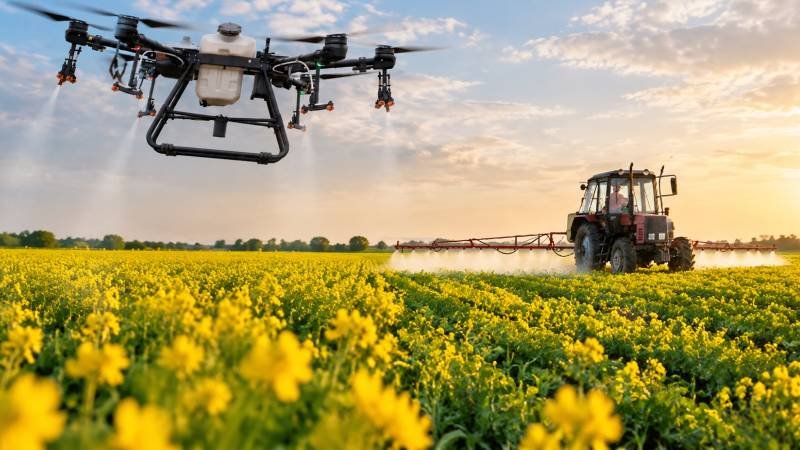
Farming is changing rapidly. From satellite imagery to artificial intelligence, modern technology is giving farmers new ways to understand what is happening across their fields. Among the most promising tools are agricultural drones. For Pakistani farmers, drones can provide a faster and more detailed view of crops than traditional field inspections. A drone equipped with a high-resolution camera or specialized sensors can survey fields, identify crop stress, monitor irrigation, detect pests and diseases, and support precision spraying. Pakistan’s agriculture sector faces challenges including water management, input costs, labor availability, and low productivity. Research on Pakistan’s agricultural technology landscape identifies precision agriculture, drones, robotics, IoT, and data-driven farming as potential tools for improving farm management. So, how can drones actually help farmers in Pakistan? 1. Faster Crop Monitoring Walking through a large farm to inspect every crop can take considerable time. A drone can cover large areas quickly and capture aerial images that reveal differences across a field. Farmers can use drone imagery to monitor: Agricultural research shows that drone-based remote sensing can provide high-resolution information and help farmers identify crop problems earlier than conventional visual inspection. This can help transform farming from reactive management to data-driven decision-making. 2. Detecting Crop Diseases and Pests A major advantage of agricultural drones is their ability to inspect crops from above. With suitable cameras and sensors, drones can identify unusual vegetation patterns associated with pest infestations, disease, nutrient deficiencies, or plant stress. Instead of treating an entire field immediately, farmers can use drone maps to locate areas that require closer inspection. This approach supports precision agriculture, where farmers apply resources according to actual field conditions rather than treating every section equally. Researchers in Pakistan have also explored intelligent agricultural drones for pesticide spraying and agricultural monitoring. 3. Precision Pesticide Spraying Drone spraying could become one of the most valuable applications for Pakistani agriculture. Traditional spraying often requires workers, tractors, or other machinery to distribute pesticides across a field. Agricultural drones can carry spraying equipment and apply chemicals to targeted areas. Advanced systems can combine cameras, artificial intelligence, and prescription maps to identify areas requiring treatment and adjust application accordingly. Recent research from NUST, for example, describes an AI- and IoT-enabled smart spraying system designed around variable-rate application and targeted pest control. The goal is simple: Put the right amount of agricultural input in the right place at the right time. This can potentially reduce chemical waste, labor requirements, and unnecessary applications when the system is properly calibrated and operated. 4. Better Irrigation Management Water is critical to Pakistani agriculture, particularly in areas facing increasing pressure on water resources. Drones can help farmers identify sections of a field that appear unusually dry or stressed. Thermal and multispectral sensors can provide additional information about plant water status and vegetation condition. Farmers can then combine drone data with soil-moisture sensors, irrigation schedules, weather information, and field observations to improve water management. Drones do not replace irrigation systems, but they can help answer an important question: Which parts of my field actually need attention? 5. Field Mapping and Land Management Before planting, farmers need to understand their land. Drone-based aerial surveys can create detailed maps showing field boundaries, elevation differences, drainage patterns, crop zones, and other characteristics. These maps can support: High-resolution drone imagery is particularly useful because it can provide detailed information at field level rather than relying only on broader satellite imagery. 6. Monitoring Crop Growth Farmers can fly drones over fields at different stages of the growing season and compare images over time. This creates a visual record of crop development. With suitable sensors and analytical software, drone imagery can help estimate indicators such as plant health, vegetation vigor, canopy development, and biomass. Research on UAV-based precision agriculture has identified crop scouting, yield monitoring, plant stress detection, disease classification, weed detection, and nutrient assessment among the important agricultural applications of drones. 7. Supporting Fertilizer Management Applying too much fertilizer increases costs and may contribute to environmental problems, while applying too little can limit crop performance. Drone imagery can help identify variations in crop vigor across a field. Farmers can combine this information with soil tests and agronomic recommendations to develop more targeted nutrient-management strategies. This is an important part of site-specific farming and variable-rate agriculture. The drone does not decide the fertilizer requirement by itself. Instead, it provides valuable field information that farmers and agricultural specialists can use alongside soil and crop data. 8. Helping Small and Large Farms Drones are often associated with large commercial farms, but the technology can potentially support smaller farms through drone service providers. A farmer does not necessarily need to purchase an expensive drone. Instead, farmers could pay a trained operator to: This service-based model could make precision farming technology more accessible to farmers who cannot justify purchasing and maintaining their own equipment. Challenges of Agricultural Drones in Pakistan Drones offer exciting opportunities, but they are not a magic solution. Farmers may face challenges involving: Research focused on Pakistan highlights limited technical training, digital infrastructure, affordability, and difficulty interpreting agricultural data as barriers to wider adoption of precision technologies. Farmers therefore need more than hardware. They need training, reliable technical support, useful software, and practical agricultural advice. The Future of Drone Farming in Pakistan The future could go beyond simple aerial photography. The combination of drones + artificial intelligence + remote sensing + IoT + GPS + farm management software could create increasingly intelligent farming systems. A drone could identify a crop-health problem, create a digital field map, and help generate a targeted management plan. Farmers could then use that information to make decisions about irrigation, fertilizer, pest control, and crop monitoring. Pakistan already has research activity in this area. LUMS, for example, has been developing locally relevant, low-cost drone and AI solutions focused on crop-health assessment, yield prediction, and plant monitoring. Are Drones Worth It for Pakistani Farmers? For farmers managing valuable crops, large fields, difficult terrain, or intensive production systems, drones can provide valuable information that

Drip-Irrigation-vs-Sprinkler-_-Which-One-Saves-More-Water
Important Blogs

Drip Irrigation vs Flood Irrigation: Which Is Better for Modern Farming?

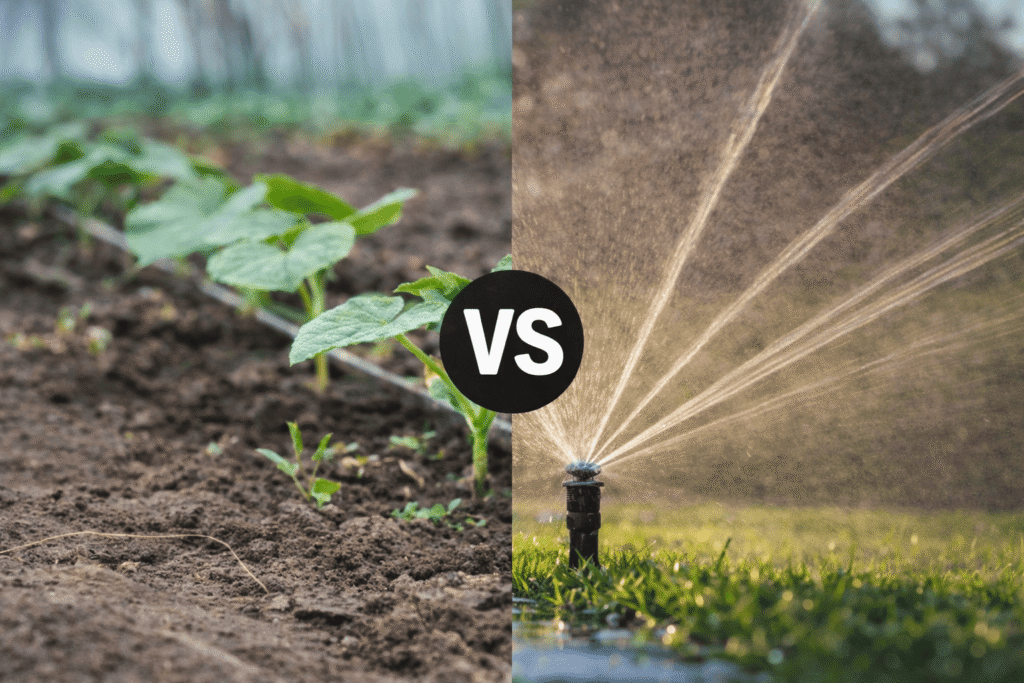
Water is one of the most valuable resources on any farm. The way farmers deliver that water can influence crop yield, water consumption, energy use, labor requirements, soil health, and profitability. Two widely used approaches are drip irrigation and flood irrigation. Flood irrigation relies on gravity to move water across the field, while drip irrigation delivers controlled amounts of water close to the plant’s root zone. So, which irrigation method is better? The answer depends on the crop, soil, field conditions, water availability, farm size, climate, and budget. What Is Drip Irrigation? Drip irrigation is a precision irrigation system that delivers water slowly through emitters installed along pipes, drip lines, or tubing. Instead of wetting the entire field, the system directs water toward the areas where crops need it most. Modern drip systems can also support fertigation, allowing farmers to deliver soluble nutrients through irrigation water. Advantages of Drip Irrigation USDA and university extension resources generally identify drip and other pressurized systems as more water-use efficient than many gravity systems because they can reduce losses from runoff, evaporation, and deep percolation. What Is Flood Irrigation? Flood irrigation is a traditional gravity-based irrigation method. Farmers release water onto a field, basin, or furrow and allow gravity to distribute it across the soil. It remains important for many agricultural systems because it can be relatively simple and inexpensive to install. Flood irrigation can work particularly well when farmers have suitable land leveling, adequate water supply, appropriate soil conditions, and crops that tolerate or require broader wetting. Rice is one notable example where flooding plays an important role in production. USDA research also shows that irrigation practices vary significantly according to crop, soil, production system, and regional conditions. Drip Irrigation vs Flood Irrigation: Key Differences Factor Drip Irrigation Flood Irrigation Water delivery Directly near plants Across field surface Water precision Very high Lower Initial investment Higher Usually lower Labor Lower after installation Can be higher Water efficiency Generally higher Generally lower Fertilizer application Easy through fertigation Less precise Field requirements Flexible Benefits from suitable grading Best suited for Orchards, vegetables, high-value crops Rice, field crops and suitable flat fields Maintenance Emitters and lines require attention Simpler infrastructure Automation Highly suitable Possible but more limited Which Uses Less Water? In many field conditions, drip irrigation uses less water than conventional flood irrigation because it places water closer to the crop root zone. USDA Agricultural Research Service research has found substantial water-use advantages for drip irrigation in certain crops and growing conditions. In one blueberry study, drip irrigation produced strong plant growth using considerably less irrigation water than sprinkler and microspray systems. However, irrigation efficiency is not determined by the technology alone. A poorly managed drip system can waste water, while a carefully designed flood system can perform much better than a poorly managed conventional system. USDA research notes that irrigation application efficiency varies widely among flood, sprinkler, and drip systems and depends heavily on management and site conditions. Which Is More Affordable? This is where flood irrigation often has an advantage. A basic flood irrigation system can require relatively simple infrastructure. Drip irrigation needs tubing, filters, emitters, pressure management, valves, and sometimes pumps and automation. That means drip irrigation usually has a higher upfront cost. However, farmers should look beyond installation expenses. Reduced water use, lower pumping requirements, better nutrient management, and potentially improved crop productivity can influence the long-term economics. USDA’s Farm Service Agency notes that improving irrigation efficiency can help reduce water, energy, chemical, and labor expenditures while potentially improving crop returns. Which Irrigation Method Is Better for Crop Yield? There is no universal winner. Drip irrigation can provide more consistent moisture around the root zone and can be particularly useful for crops requiring precise water management. USDA research has found that drip systems can improve crop water productivity under appropriate management. Flood irrigation, meanwhile, can remain practical for crops and fields where broad water distribution is suitable. The best irrigation method is the one that delivers the right amount of water at the right time without creating unnecessary losses. Drip Irrigation Is Not Maintenance-Free One common misconception is that installing drip lines solves every irrigation problem. Drip systems require proper filtration, pressure control, flushing, inspection, and maintenance. Emitters can become clogged because of sediment, minerals, algae, or other material in irrigation water. Farmers should regularly check: Good maintenance can extend system life and protect the investment. When Does Flood Irrigation Make Sense? Flood irrigation can still be a sensible choice when: Improved land leveling, field design, irrigation scheduling, and water management can make gravity irrigation substantially more effective. USDA data also shows that irrigation systems differ considerably by crop and region, demonstrating that farmers should select technology according to actual field requirements rather than following a one-size-fits-all approach. Which One Should Farmers Choose? For many water-conscious and high-value farming operations, drip irrigation offers major advantages in precision and water management. For suitable large fields and crops, flood irrigation can remain an economical and practical option, especially where water and field conditions make gravity distribution effective. Before switching systems, farmers should compare: Final Verdict Drip irrigation is generally the better choice when water efficiency, precision, fertigation, and controlled crop production are priorities. Flood irrigation can be more economical and practical where field conditions, crop requirements, and water availability support gravity irrigation. The real goal is not simply choosing the newest technology. It is choosing an irrigation system that makes every drop count while protecting farm profitability, soil quality, and long-term water resources. As agriculture becomes increasingly focused on water conservation and climate resilience, farmers can combine better irrigation scheduling, soil-moisture monitoring, efficient equipment, and appropriate irrigation technology to produce more with fewer resources.

Solar-Powered-Farming
Important Blogs

Solar-Powered Farming: Can Farmers Reduce Electricity Costs?

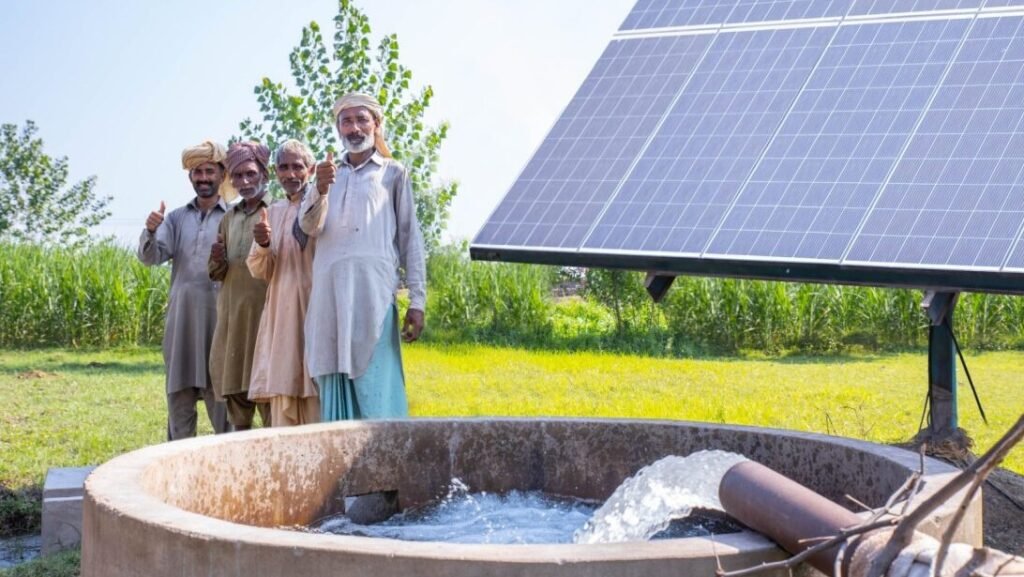
For farmers, electricity is no longer just a utility expense—it can be a major part of the cost of producing food. Irrigation pumps, dairy equipment, refrigeration, ventilation, grain handling, lighting, and processing systems can consume substantial amounts of power. That is why solar-powered farming is gaining attention. By generating electricity from sunlight, farmers can reduce their dependence on grid electricity and diesel-powered equipment while building a more predictable farm energy system. But can solar actually lower electricity costs enough to justify the investment? For many farms, the answer can be yes—particularly when solar is designed around high-energy operations such as irrigation. How Solar Energy Works on a Farm A farm solar system typically uses photovoltaic (PV) panels to convert sunlight into electricity. The electricity can then operate farm machinery, pumps, refrigeration units, fans, lighting, and other equipment. USDA research notes that on-farm solar electricity can be used for irrigation pumps, refrigeration, processing equipment, and other agricultural applications. ([ARS][1]) Farmers can use several configurations: The right system depends on farm size, electricity demand, water requirements, sunlight availability, and local utility rules. Solar Irrigation Can Make the Biggest Difference For many agricultural operations, irrigation electricity costs are an important target for solar conversion. Water pumps can operate for long periods during the growing season, creating a predictable energy demand. Solar generation can match a significant portion of this daytime requirement. USDA’s 2023 Irrigation and Water Management Survey recorded 6,386 solar-powered pumps across 3,278 U.S. farms, covering more than 302,000 irrigated acres. ([NASS Data][2]) This does not mean every farm should immediately replace its existing pump. Pump size, well depth, water flow, irrigation pressure, crop requirements, and solar resource all affect the economics. A properly designed system, however, can substantially reduce the amount of electricity purchased from the grid. Can Farmers Really Reduce Electricity Bills? The biggest advantage of solar is that sunlight has no fuel bill. Once a photovoltaic system is installed, generating electricity from sunlight does not require purchasing additional fuel. This can protect farmers from rising electricity and energy prices. However, solar power is not free to install. Farmers must consider: Therefore, the important question is not simply “Does solar produce cheap electricity?” but rather: “How quickly will the solar investment recover its cost through energy savings?” The answer depends on the farm’s electricity consumption and the cost of its existing energy supply. Solar Power Can Reduce More Than Electricity Costs Solar farming can provide benefits beyond a lower monthly power bill. Lower Operating Expenses Replacing purchased electricity with on-site solar generation can reduce recurring energy expenses. USDA’s Natural Resources Conservation Service identifies improved energy efficiency and reduced input costs as potential benefits of on-farm energy improvements. ([Natural Resources Conservation Service][3]) Less Dependence on Diesel Solar water pumps can also provide an alternative to diesel-powered pumping in suitable locations. This can reduce fuel purchasing, transportation, and some maintenance requirements. More Predictable Energy Costs Electricity prices can change, while sunlight itself does not come with a monthly fuel charge. A solar installation can therefore provide greater long-term energy-cost predictability. Power for Remote Farms Solar pumping can be particularly useful where extending an electricity connection is expensive or unreliable. Stand-alone solar pumping has been researched for remote agricultural and livestock applications by USDA agricultural scientists. ([ARS][4]) Solar Farming Is Not Automatically Cheap One of the biggest mistakes farmers can make is assuming that installing more solar panels will automatically produce bigger savings. The system must be correctly sized. A farmer should first calculate: A professional farm energy audit can help identify where electricity is being consumed and where efficiency improvements should come before installing solar. USDA’s NRCS On-Farm Energy Initiative supports energy assessments that establish an energy-use baseline and identify efficiency opportunities. ([Natural Resources Conservation Service][3]) What About Solar Batteries? Batteries sound attractive because they allow farmers to store daytime solar power for nighttime operations. However, batteries add significant equipment costs and require additional maintenance and replacement planning. For irrigation, farmers may have another option: store water instead of electricity. A solar pump can operate during strong sunlight, fill a storage tank or reservoir, and allow irrigation water to be used later. USDA NRCS guidance notes that a storage tank can be an efficient way to store the energy used for solar pumping rather than relying on batteries in some applications. ([Natural Resources Conservation Service][5]) This approach can be particularly useful for farms with predictable irrigation schedules. Agrivoltaics: Producing Food and Solar Energy Together A newer concept is agrivoltaics, where agricultural production and solar generation share the same land. Solar panels can be positioned above crops or livestock areas while farming activities continue underneath or between the structures. USDA research has examined solar arrays designed to allow tractors, farm equipment, and livestock to operate around or beneath elevated panels. ([ARS][1]) Agrivoltaics can potentially create another revenue or cost-saving opportunity, but the design must account for crop sunlight requirements, machinery access, panel spacing, water management, and land economics. What Farmers Should Do Before Installing Solar Solar should begin with numbers—not assumptions. Farmers should compare the total lifetime cost of the existing energy system with the projected cost of solar. For example, if a farm spends heavily on irrigation electricity every year, reducing that recurring expense could make solar more attractive. But a farm with very low electricity consumption may take much longer to recover the installation cost. Farmers should also investigate local renewable-energy incentives, agricultural financing programs, utility policies, and grid-connection requirements before making a purchase. The Bottom Line Solar-powered farming can reduce electricity costs, especially on farms with substantial daytime electricity demand, irrigation pumping, refrigeration, or remote water systems. The technology is already being used in U.S. agriculture, and USDA data confirms that thousands of farms operate solar-powered pumps. ([NASS Data][2]) For farmers in Pakistan and other sunny agricultural regions, solar can be particularly compelling because abundant sunlight can be converted into electricity for irrigation and farm operations. But solar is not a one-size-fits-all solution. System sizing, pump efficiency, water management,

robot-farming-with-drones-field-sunset
Important Blogs

How AI Is Changing Farming in Pakistan: The Rise of Smart Agriculture

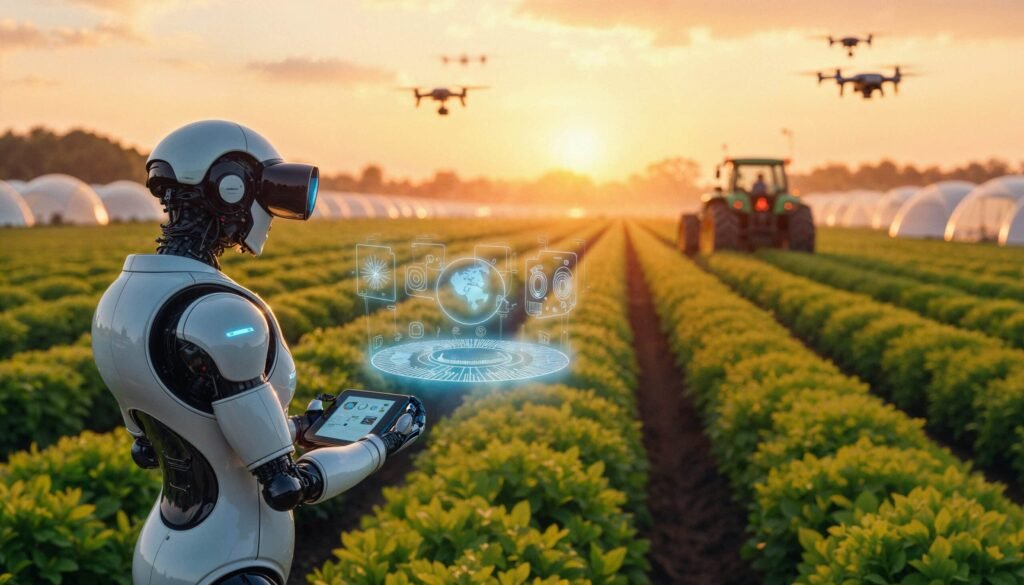
Artificial intelligence is moving beyond offices and technology companies and into the fields, farms and livestock operations of Pakistan. From crop monitoring and smart irrigation to pest detection, weather forecasting and farm analytics, AI is giving farmers new ways to make faster and more informed decisions. Pakistan’s agriculture sector remains a major part of the economy, while water availability, climate variability, rising input costs and productivity remain important challenges. The Pakistan Economic Survey 2025-26 reported agriculture growth of 2.89% during the year, highlighting the importance of improving productivity and resource efficiency. What Is AI Farming? AI farming, also known as smart agriculture or precision agriculture, uses artificial intelligence, sensors, satellite imagery, drones and data analytics to help farmers understand what is happening in their fields. Instead of treating an entire farm in exactly the same way, technology can help identify differences in soil moisture, crop health, nutrient requirements and pest pressure. The result is a more data-driven approach to farming. AI Can Improve Crop Monitoring One of the most useful applications of AI is real-time crop monitoring. Drones and cameras can capture images of farmland, while AI-based systems can analyze those images to identify unusual crop patterns. Farmers may detect areas affected by: Punjab’s Agriculture Department is already promoting drone technology for crop-health and crop-nutrition monitoring, noting its potential to identify problems early and optimize agricultural inputs. Smart Irrigation Can Save Water Water management is becoming increasingly important for Pakistani agriculture. AI-powered irrigation systems can combine soil-moisture data, weather information and crop requirements to help determine when and where irrigation is needed. Instead of irrigating an entire field on a fixed schedule, precision agriculture can help farmers target water where it is most needed. This approach is particularly relevant as Pakistan manages limited irrigation resources. The Economic Survey reported total surface-water availability of 92.0 million acre-feet during 2025-26, below the long-term average system usage of 103.5 million acre-feet. AI Helps Detect Crop Diseases and Pests Early detection can make a major difference in crop management. AI-powered image recognition can analyze photographs of leaves and plants to identify signs associated with diseases or pest attacks. Farmers can then investigate affected areas and take appropriate action rather than automatically treating an entire field. This can potentially reduce unnecessary pesticide use and improve integrated pest management. Drones and AI Are Changing Precision Farming Agricultural drones can collect detailed information from fields much faster than traditional inspection methods. AI can analyze drone imagery to create useful field maps showing variations in crop growth, vegetation health and potential problem areas. Punjab’s ongoing agricultural research program specifically identifies AI, IoT, drones, genomics and speed breeding as technologies being integrated into modern agricultural research and climate-smart farming. AI in Livestock and Dairy Farming The technology is not limited to crops. AI can also support livestock management by analyzing information about animal activity, feeding, milk production and health. For dairy farmers, digital monitoring systems could help identify changes in an animal’s behavior or productivity that may require closer observation. This can help farmers move toward more data-based dairy herd management. AI Can Help Farmers Make Better Decisions One of AI’s biggest advantages is its ability to process large amounts of information. A smart farming platform could combine: Weather + soil data + crop stage + satellite imagery + irrigation information + historical farm records to provide recommendations for farm management. This could help farmers decide when to irrigate, monitor crops, inspect specific field zones or plan agricultural operations. What Is the Future of AI Farming in Pakistan? AI will not replace the farmer. Instead, its biggest value may come from helping farmers make better decisions with better information. However, adoption will depend on affordable technology, reliable internet connectivity, farmer education, local-language tools, technical support and trustworthy agricultural data. Pakistan is already moving toward greater use of advanced agricultural technologies. Punjab’s current research modernization program includes AI, IoT and drone-based precision agriculture as part of efforts to improve productivity, resilience and resource efficiency. Final Thoughts Artificial intelligence in agriculture could become one of the most important developments in Pakistan’s farming sector. From smart irrigation and crop surveillance to disease detection, drones, livestock monitoring and predictive farm analytics, AI can help farmers use resources more efficiently. The future Pakistani farm may combine traditional agricultural knowledge with AI, satellite technology, sensors and precision farming—creating a smarter, more productive and climate-resilient agricultural system. For more practical information about modern farming, crop production, livestock, agricultural technology and smart agriculture in Pakistan, follow PakFarming.com.

Dairy-Cattle-Breeds-1
Important Blogs

Best Dairy Cattle Breeds in Pakistan: Top Cows for Milk Production and Profitable Farming

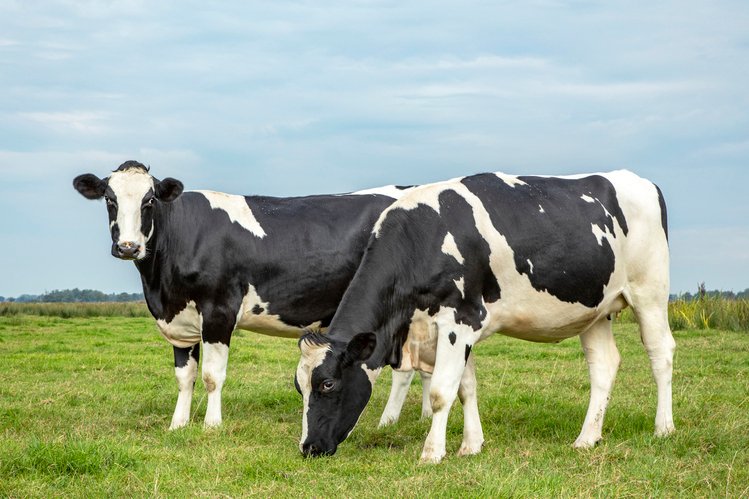
Choosing the best dairy cattle breed in Pakistan is one of the most important decisions for a farmer starting or expanding a dairy farm. The right breed can improve milk production, reproduction, herd health and long-term farm profitability. Pakistan has a large cattle population. The Pakistan Economic Survey 2025-26 estimates around 61.96 million cattle in the country, with cow milk production estimated at 28.10 million tonnes. From indigenous breeds such as Sahiwal and Cholistani to high-yielding crossbreeds, Pakistani farmers have several options depending on climate, feed availability, management skills and investment. 1. Sahiwal Cow Sahiwal is widely regarded as one of Pakistan’s most valuable indigenous dairy cattle breeds. It originated in the Sahiwal region and is particularly appreciated for its ability to perform under local climatic conditions. The breed is known for: Sahiwal cattle can be an excellent choice for farmers who want a hardy dairy breed adapted to Pakistan’s environment rather than relying entirely on exotic genetics. Punjab’s livestock programs specifically maintain elite Sahiwal cattle through progeny-testing initiatives aimed at improving animal productivity. 2. Cholistani Cow Cholistani cattle are another important indigenous breed associated with Pakistan, particularly the Cholistan region of Punjab. These animals are valued for their adaptation to hot and relatively harsh environments. Their ability to survive under challenging conditions makes them interesting for farmers operating in areas where extreme heat can affect exotic dairy cattle. Cholistani cattle can be considered for breeding programs and dairy operations seeking locally adapted genetics. 3. Red Sindhi Red Sindhi is a well-known Pakistani cattle breed recognized for its reddish-brown appearance and adaptability to hot climates. It can perform well under tropical conditions and is valued for dairy production, making it an option for farmers interested in indigenous cattle genetics. Its heat tolerance and adaptability can become particularly useful where maintaining high-producing exotic cattle would require more intensive cooling and feeding management. 4. Holstein Friesian Holstein Friesian (HF) cattle are among the world’s best-known high-producing dairy breeds and are widely used in Pakistan’s commercial dairy sector. Their major attraction is high milk-production potential. However, HF cattle generally require stronger management than indigenous breeds. Farmers considering Holstein Friesians should pay close attention to: Pakistan has used imported high-yielding dairy breeds, including Holstein Friesian and Jersey, as part of efforts to increase livestock productivity. 5. Jersey Jersey cattle are another important dairy breed used in Pakistan and internationally. Jerseys are smaller than Holsteins and are known for producing milk with relatively high milk fat and protein content. This can make them attractive where milk quality and butterfat are important. They can also require fewer resources than very large dairy animals, although individual performance depends heavily on genetics, nutrition and farm management. 6. Crossbred Cattle For many Pakistani dairy farmers, crossbred cattle can offer a practical balance between local adaptability and improved milk production. Crossbreeding indigenous cattle with suitable exotic dairy genetics can combine characteristics such as: Local adaptability + heat tolerance + improved milk potential However, results vary according to genetics, breeding quality, feed, climate and management. Farmers should therefore purchase animals based on verified performance records, not simply breed names. Punjab’s official livestock marketplace recognizes categories including Sahiwal, Cholistani, Red Sindhi, crossbred and other cattle types. Sahiwal vs Holstein Friesian: Which Is Better? There is no universal winner. Choose Sahiwal when:You prioritize heat tolerance, local adaptation, lower-risk management and indigenous genetics. Consider Holstein Friesian when:You have reliable feed, strong veterinary support, good housing, cooling facilities and the management capacity required for high-producing animals. Consider crossbreds when:You want to combine characteristics of indigenous and exotic cattle and have access to quality breeding programs. How to Choose a Dairy Cow in Pakistan Before purchasing cattle, examine the individual animal rather than relying only on its breed. Check: A veterinary examination before purchase can help identify hidden health or reproductive problems. Final Verdict The best dairy cattle breed in Pakistan depends on your farm’s location, budget, climate, feed resources and production goals. Sahiwal, Cholistani and Red Sindhi offer valuable indigenous characteristics, while Holstein Friesian and Jersey provide important exotic dairy genetics. Crossbred cattle can provide another option for farmers seeking a balance between productivity and adaptability. Pakistan’s expanding livestock sector creates opportunities for farmers who combine the right genetics with balanced nutrition, hygienic housing, reproductive management, preventive healthcare and proper record keeping. For more guides on dairy farming, livestock breeds, cattle management, animal nutrition, fodder production and modern agriculture in Pakistan, visit PakFarming.com.

Buffalo-Farming
Important Blogs

Buffalo Farming in Pakistan: Complete Beginner’s Guide to Feeding, Housing, Breeding and Profit

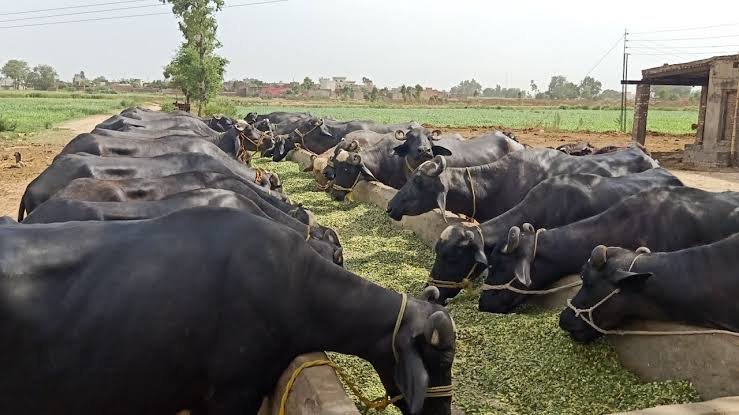
Buffalo farming in Pakistan can be a rewarding livestock business for farmers who understand animal nutrition, housing, breeding, disease prevention and milk management. Buffaloes are especially important to Pakistan’s dairy sector because they contribute a major share of the country’s milk production. According to the Pakistan Economic Survey 2025-26, Pakistan’s buffalo population is estimated at 47.7 million, while buffalo milk production is estimated at 44.41 million tonnes. For beginners, success starts with choosing healthy animals and creating a practical management system. Why Start Buffalo Farming? Buffalo farming can provide several income opportunities, including fresh milk, breeding animals, calves and manure. Dairy farmers can build their business gradually by starting with a small herd and expanding as their experience and cash flow improve. Pakistan’s strong demand for milk makes dairy buffalo farming particularly relevant for smallholders and commercial livestock farms. Choosing the Right Buffalo Breed Nili-Ravi is one of the most important dairy buffalo breeds associated with Pakistan. When purchasing animals, beginners should look beyond appearance and evaluate: Buy animals from trustworthy farms or breeders whenever possible and have a veterinarian examine them before purchase. Buffalo Housing and Farm Setup A good buffalo shed should provide shade, ventilation, drainage, clean water and protection from extreme weather. Keep the floor clean and reasonably dry, while providing enough space for animals to rest and move comfortably. Proper drainage is particularly important because standing wastewater can create hygiene problems. In Pakistan’s hot summers, cooling becomes an important part of buffalo management. Shade, clean drinking water and appropriate bathing or cooling practices can help animals cope with heat stress. Buffalo Feeding Management Nutrition directly affects milk yield, body condition and reproduction. A buffalo ration should provide adequate: Common fodder options can include seasonal grasses, maize fodder, sorghum and other locally available feed resources. Avoid making sudden changes to the diet. Introduce new feed gradually and adjust the ration according to the animal’s age, body condition, pregnancy status and milk production. For a commercial farm, a livestock nutritionist can formulate a balanced ration according to locally available ingredients. Clean Water Is Essential A productive dairy buffalo needs regular access to clean, fresh drinking water. Water requirements increase during hot weather and lactation. Check water troughs frequently and clean them to prevent contamination. Good water management is one of the simplest ways to improve overall herd management. Breeding and Reproduction Efficient reproduction is essential for a profitable buffalo farm. Farmers should monitor animals for heat signs, maintain breeding records and work with a veterinarian or trained livestock professional for artificial insemination or natural breeding. Keep records of: Good records help farmers identify reproductive problems early and plan the herd more effectively. Buffalo Calf Care Newborn calves require immediate attention. Ensure the calf receives colostrum soon after birth, maintain clean housing and monitor its feeding and health. Young calves should receive appropriate nutrition, clean water and veterinary care according to local livestock recommendations. Disease Prevention and Veterinary Care Preventive healthcare is generally more effective than waiting until animals become seriously ill. Farmers should maintain a vaccination schedule recommended by local livestock authorities and monitor the herd for: Quarantine newly purchased animals when appropriate and contact a veterinarian when illness is suspected. Milking Management Clean milking practices protect milk quality and animal health. Before milking, clean the udder and use hygienic equipment. Handle milk promptly and keep containers clean. If possible, cool milk quickly after collection and transport it using hygienic practices. Consistent milking times can also help maintain an organized dairy routine. How to Make Buffalo Farming Profitable Profit depends on the difference between milk and livestock income and total farm expenses. Track costs such as: Do not judge profitability only by milk production. Calculate the complete cost of maintaining each animal. Final Tips for Beginners Start small, learn herd management and maintain accurate records before expanding. The most important buffalo farming practices include quality animal selection, balanced nutrition, clean housing, adequate water, reproductive management, disease prevention and hygienic milking. Pakistan’s large buffalo population and substantial buffalo milk output demonstrate the importance of this livestock sector. For more practical guides on livestock farming, dairy farming, crop production, agricultural technology and modern farming in Pakistan, follow PakFarming.com.

Scroll to Top