
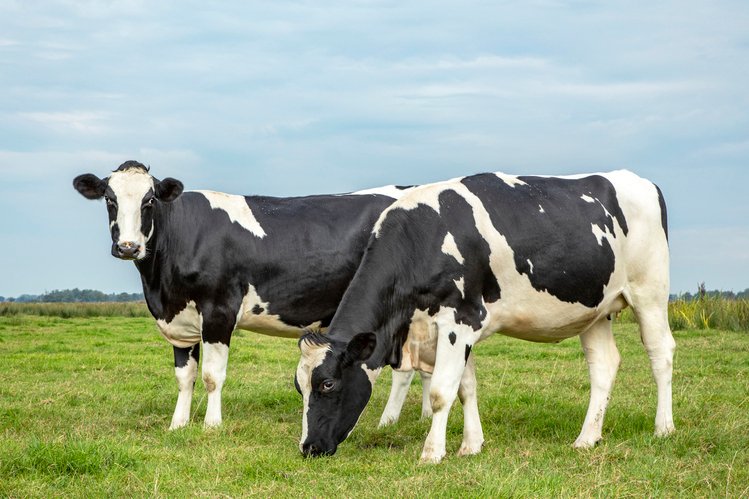
Choosing the best dairy cattle breed in Pakistan is one of the most important decisions for a farmer starting or expanding a dairy farm. The right breed can improve milk production, reproduction, herd health and long-term farm profitability.
Pakistan has a large cattle population. The Pakistan Economic Survey 2025-26 estimates around 61.96 million cattle in the country, with cow milk production estimated at 28.10 million tonnes.
From indigenous breeds such as Sahiwal and Cholistani to high-yielding crossbreeds, Pakistani farmers have several options depending on climate, feed availability, management skills and investment.
1. Sahiwal Cow
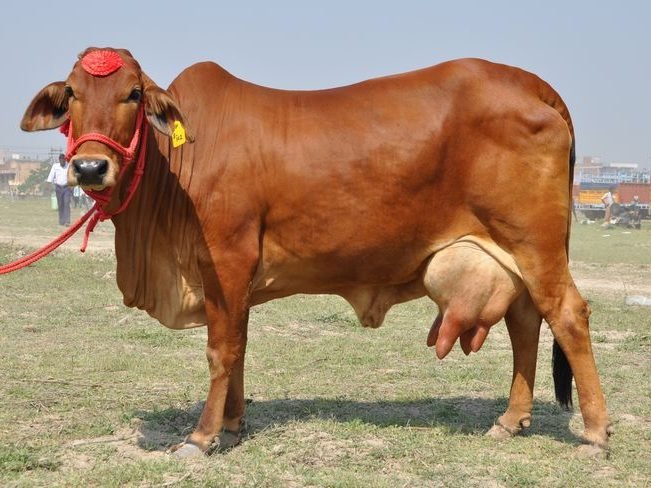
Sahiwal is widely regarded as one of Pakistan’s most valuable indigenous dairy cattle breeds. It originated in the Sahiwal region and is particularly appreciated for its ability to perform under local climatic conditions.
The breed is known for:
- Good milk production
- Heat tolerance
- Adaptability to local conditions
- Strong disease resistance
- Good fertility
- Relatively easy management
Sahiwal cattle can be an excellent choice for farmers who want a hardy dairy breed adapted to Pakistan’s environment rather than relying entirely on exotic genetics.
Punjab’s livestock programs specifically maintain elite Sahiwal cattle through progeny-testing initiatives aimed at improving animal productivity.
2. Cholistani Cow
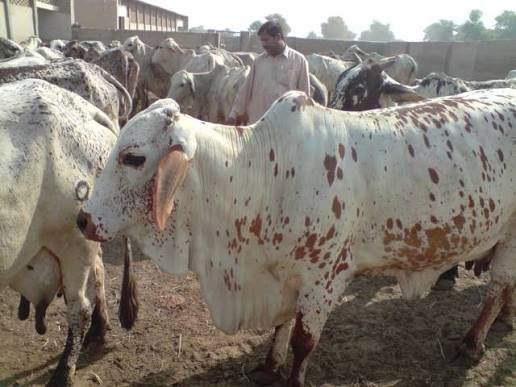
Cholistani cattle are another important indigenous breed associated with Pakistan, particularly the Cholistan region of Punjab.
These animals are valued for their adaptation to hot and relatively harsh environments. Their ability to survive under challenging conditions makes them interesting for farmers operating in areas where extreme heat can affect exotic dairy cattle.
Cholistani cattle can be considered for breeding programs and dairy operations seeking locally adapted genetics.
3. Red Sindhi
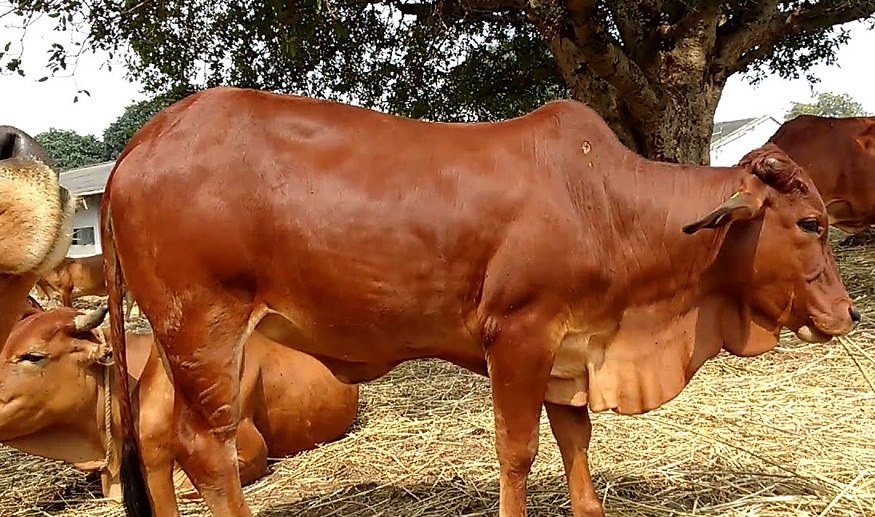
Red Sindhi is a well-known Pakistani cattle breed recognized for its reddish-brown appearance and adaptability to hot climates.
It can perform well under tropical conditions and is valued for dairy production, making it an option for farmers interested in indigenous cattle genetics.
Its heat tolerance and adaptability can become particularly useful where maintaining high-producing exotic cattle would require more intensive cooling and feeding management.
4. Holstein Friesian
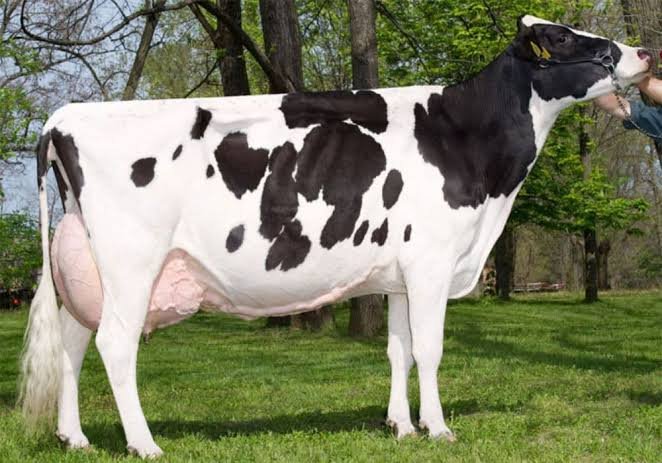
Holstein Friesian (HF) cattle are among the world’s best-known high-producing dairy breeds and are widely used in Pakistan’s commercial dairy sector.
Their major attraction is high milk-production potential. However, HF cattle generally require stronger management than indigenous breeds.
Farmers considering Holstein Friesians should pay close attention to:
- High-quality feed
- Clean drinking water
- Heat-stress management
- Proper housing
- Veterinary care
- Reproductive management
Pakistan has used imported high-yielding dairy breeds, including Holstein Friesian and Jersey, as part of efforts to increase livestock productivity.
5. Jersey
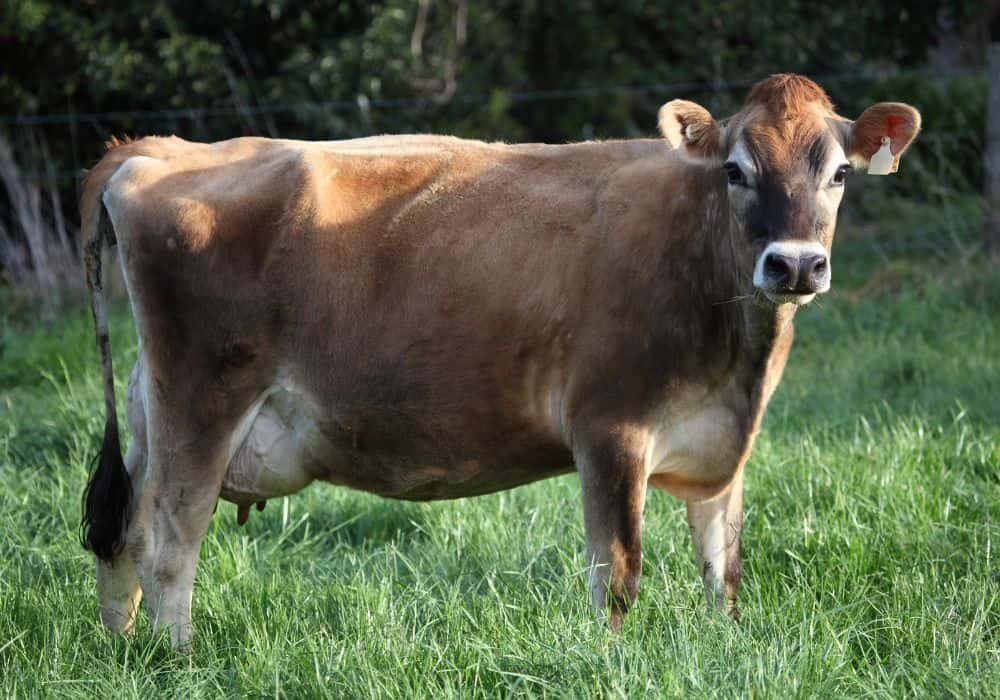
Jersey cattle are another important dairy breed used in Pakistan and internationally.
Jerseys are smaller than Holsteins and are known for producing milk with relatively high milk fat and protein content. This can make them attractive where milk quality and butterfat are important.
They can also require fewer resources than very large dairy animals, although individual performance depends heavily on genetics, nutrition and farm management.
6. Crossbred Cattle
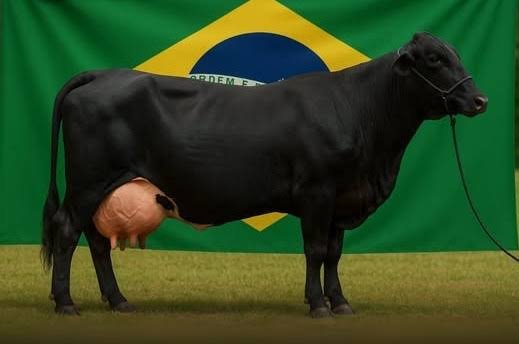
For many Pakistani dairy farmers, crossbred cattle can offer a practical balance between local adaptability and improved milk production.
Crossbreeding indigenous cattle with suitable exotic dairy genetics can combine characteristics such as:
Local adaptability + heat tolerance + improved milk potential
However, results vary according to genetics, breeding quality, feed, climate and management. Farmers should therefore purchase animals based on verified performance records, not simply breed names.
Punjab’s official livestock marketplace recognizes categories including Sahiwal, Cholistani, Red Sindhi, crossbred and other cattle types.
Sahiwal vs Holstein Friesian: Which Is Better?
There is no universal winner.
Choose Sahiwal when:
You prioritize heat tolerance, local adaptation, lower-risk management and indigenous genetics.
Consider Holstein Friesian when:
You have reliable feed, strong veterinary support, good housing, cooling facilities and the management capacity required for high-producing animals.
Consider crossbreds when:
You want to combine characteristics of indigenous and exotic cattle and have access to quality breeding programs.
How to Choose a Dairy Cow in Pakistan
Before purchasing cattle, examine the individual animal rather than relying only on its breed.
Check:
- Milk production history
- Age and lactation stage
- Udder and teat condition
- Body condition
- Reproductive history
- Vaccination records
- Previous disease history
- Feed requirements
- Pregnancy status
A veterinary examination before purchase can help identify hidden health or reproductive problems.
Final Verdict
The best dairy cattle breed in Pakistan depends on your farm’s location, budget, climate, feed resources and production goals.
Sahiwal, Cholistani and Red Sindhi offer valuable indigenous characteristics, while Holstein Friesian and Jersey provide important exotic dairy genetics. Crossbred cattle can provide another option for farmers seeking a balance between productivity and adaptability.
Pakistan’s expanding livestock sector creates opportunities for farmers who combine the right genetics with balanced nutrition, hygienic housing, reproductive management, preventive healthcare and proper record keeping.
For more guides on dairy farming, livestock breeds, cattle management, animal nutrition, fodder production and modern agriculture in Pakistan, visit PakFarming.com.