
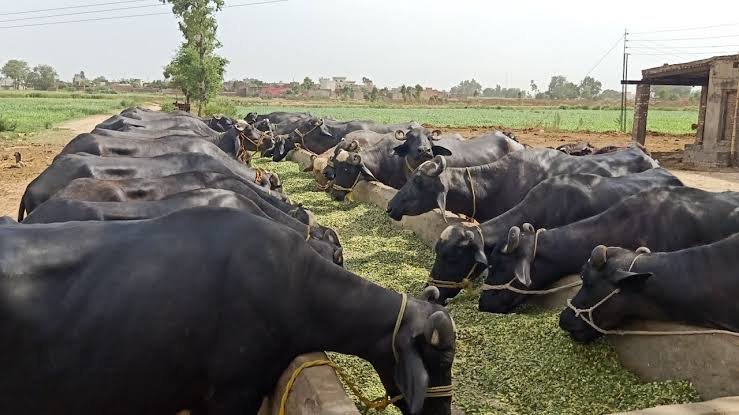
Buffalo farming in Pakistan can be a rewarding livestock business for farmers who understand animal nutrition, housing, breeding, disease prevention and milk management. Buffaloes are especially important to Pakistan’s dairy sector because they contribute a major share of the country’s milk production.
According to the Pakistan Economic Survey 2025-26, Pakistan’s buffalo population is estimated at 47.7 million, while buffalo milk production is estimated at 44.41 million tonnes.
For beginners, success starts with choosing healthy animals and creating a practical management system.
Why Start Buffalo Farming?
Buffalo farming can provide several income opportunities, including fresh milk, breeding animals, calves and manure. Dairy farmers can build their business gradually by starting with a small herd and expanding as their experience and cash flow improve.
Pakistan’s strong demand for milk makes dairy buffalo farming particularly relevant for smallholders and commercial livestock farms.
Choosing the Right Buffalo Breed
Nili-Ravi is one of the most important dairy buffalo breeds associated with Pakistan. When purchasing animals, beginners should look beyond appearance and evaluate:
- Milk production history
- Age and lactation stage
- Body condition
- Udder health
- Reproductive history
- Vaccination and health records
- Feeding history
Buy animals from trustworthy farms or breeders whenever possible and have a veterinarian examine them before purchase.
Buffalo Housing and Farm Setup
A good buffalo shed should provide shade, ventilation, drainage, clean water and protection from extreme weather.
Keep the floor clean and reasonably dry, while providing enough space for animals to rest and move comfortably. Proper drainage is particularly important because standing wastewater can create hygiene problems.
In Pakistan’s hot summers, cooling becomes an important part of buffalo management. Shade, clean drinking water and appropriate bathing or cooling practices can help animals cope with heat stress.
Buffalo Feeding Management
Nutrition directly affects milk yield, body condition and reproduction.
A buffalo ration should provide adequate:
- Green fodder
- Dry fodder
- Energy
- Protein
- Minerals
- Clean drinking water
Common fodder options can include seasonal grasses, maize fodder, sorghum and other locally available feed resources.
Avoid making sudden changes to the diet. Introduce new feed gradually and adjust the ration according to the animal’s age, body condition, pregnancy status and milk production.
For a commercial farm, a livestock nutritionist can formulate a balanced ration according to locally available ingredients.
Clean Water Is Essential
A productive dairy buffalo needs regular access to clean, fresh drinking water. Water requirements increase during hot weather and lactation.
Check water troughs frequently and clean them to prevent contamination. Good water management is one of the simplest ways to improve overall herd management.
Breeding and Reproduction
Efficient reproduction is essential for a profitable buffalo farm.
Farmers should monitor animals for heat signs, maintain breeding records and work with a veterinarian or trained livestock professional for artificial insemination or natural breeding.
Keep records of:
- Heat dates
- Breeding dates
- Pregnancy diagnosis
- Expected calving date
- Calving history
- Milk production
Good records help farmers identify reproductive problems early and plan the herd more effectively.
Buffalo Calf Care
Newborn calves require immediate attention. Ensure the calf receives colostrum soon after birth, maintain clean housing and monitor its feeding and health.
Young calves should receive appropriate nutrition, clean water and veterinary care according to local livestock recommendations.
Disease Prevention and Veterinary Care
Preventive healthcare is generally more effective than waiting until animals become seriously ill.
Farmers should maintain a vaccination schedule recommended by local livestock authorities and monitor the herd for:
- Loss of appetite
- Fever
- Coughing
- Diarrhea
- Lameness
- Unusual discharge
- Reduced milk production
Quarantine newly purchased animals when appropriate and contact a veterinarian when illness is suspected.
Milking Management
Clean milking practices protect milk quality and animal health.
Before milking, clean the udder and use hygienic equipment. Handle milk promptly and keep containers clean. If possible, cool milk quickly after collection and transport it using hygienic practices.
Consistent milking times can also help maintain an organized dairy routine.
How to Make Buffalo Farming Profitable
Profit depends on the difference between milk and livestock income and total farm expenses.
Track costs such as:
- Animal purchases
- Fodder
- Concentrate feed
- Veterinary treatment
- Labour
- Water and electricity
- Housing
- Breeding
- Transportation
Do not judge profitability only by milk production. Calculate the complete cost of maintaining each animal.
Final Tips for Beginners
Start small, learn herd management and maintain accurate records before expanding.
The most important buffalo farming practices include quality animal selection, balanced nutrition, clean housing, adequate water, reproductive management, disease prevention and hygienic milking.
Pakistan’s large buffalo population and substantial buffalo milk output demonstrate the importance of this livestock sector.
For more practical guides on livestock farming, dairy farming, crop production, agricultural technology and modern farming in Pakistan, follow PakFarming.com.