
pakfarmingcom

Cotton-Farming-Guide
Uncategorized

Cotton Farming Guide: Sowing, Fertilizer, Irrigation & Harvesting

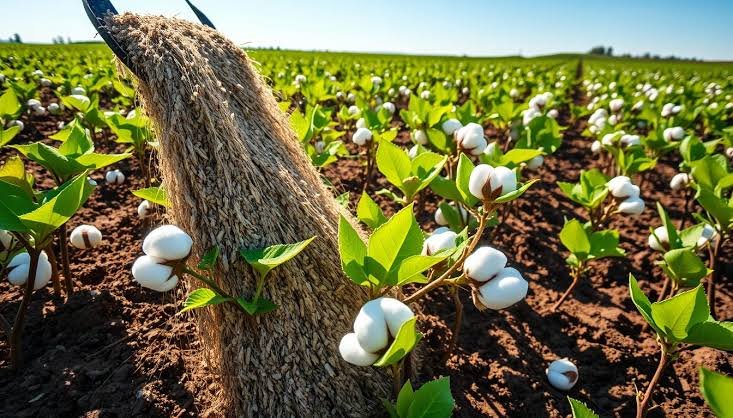
Cotton is one of Pakistan’s most important cash crops and a major raw material for the textile industry. Southern Punjab, including Multan, Bahawalpur, Rahim Yar Khan and Dera Ghazi Khan, remains a major cotton-growing belt. For farmers, successful cotton production depends on several factors: quality seed, timely sowing, balanced fertilizer, efficient irrigation, weed control, pest management and careful harvesting. This practical cotton farming guide explains the key steps from land preparation to picking. Why Is Cotton Farming Important? Cotton supports farmers, ginning businesses, textile manufacturers and export markets. Pakistan produced approximately 7.05 million bales of cotton in 2025–26, according to the Pakistan Economic Survey, although production declined slightly from the previous year. The crop also performs best when farmers select varieties suited to their local climate, soil and water availability. In Punjab, research programs particularly focus on varieties that can tolerate heat, drought and major cotton diseases. Cotton Sowing: Choose the Right Time Timely planting is one of the most important cotton farming practices. Farmers should follow local agricultural recommendations because the ideal sowing window varies by region, variety and weather. Before planting: Good seed can improve crop establishment and help create a uniform cotton stand. Soil Preparation for Cotton Cotton grows well in fertile, well-drained soils. Start with proper field preparation rather than relying heavily on fertilizer later. Remove previous crop residues where appropriate, control early weeds and prepare the soil to encourage strong root development. Soil testing can help determine the crop’s actual nutrient requirements. Cotton Fertilizer Management Cotton needs a balanced supply of nitrogen, phosphorus and potassium, along with micronutrients where soil tests indicate a deficiency. Avoid applying fertilizer according to a fixed formula for every field. Instead, consider: Split nitrogen applications can help match nutrient availability with crop growth and reduce unnecessary losses. Farmers should also avoid excessive nitrogen because it can encourage excessive vegetative growth instead of balanced boll development. Irrigation Management Proper irrigation is essential for cotton because both water stress and excessive moisture can reduce productivity. Maintain adequate soil moisture during critical growth stages, particularly around flowering and boll development. At the same time, avoid prolonged waterlogging because cotton roots require adequate aeration. Efficient irrigation can help farmers conserve water while maintaining crop growth. Monitor soil moisture, weather conditions and crop development before deciding when to irrigate. Weed, Pest and Disease Management Early weed competition can restrict cotton growth and reduce yield. Farmers should monitor fields regularly and control weeds before they become established. Common cotton production challenges include cotton leaf curl virus, bollworms, sucking pests and fungal diseases. Punjab’s cotton research program specifically focuses on developing varieties with improved tolerance to heat, drought and diseases such as cotton leaf curl virus. Use integrated pest management (IPM) rather than relying automatically on pesticides. Regular scouting helps identify problems early and allows farmers to select appropriate control measures. Cotton Harvesting Cotton should be picked when bolls are fully opened and the lint is clean and dry. Harvesting immature or wet cotton can reduce fiber quality. For better cotton quality: Several careful pickings may be necessary because cotton bolls do not all open simultaneously. How to Increase Cotton Yield Farmers can improve cotton productivity by focusing on the complete production cycle rather than one input alone. Key practices include: Pakistan’s latest economic data also indicates that improved input use, including fertilizer application, contributed to a marginal improvement in cotton yield even as total production declined. Final Thoughts Successful cotton farming requires timely decisions throughout the growing season. From selecting the right cotton seed and preparing the field to managing fertilizer, irrigation, pests and harvesting, every stage can influence yield and fiber quality. For Pakistani farmers, especially growers in Punjab’s cotton belt, combining improved varieties with efficient crop management can help build a more productive and profitable cotton operation. PakFarming.com brings practical farming information, crop production guides and agricultural insights to farmers and readers interested in modern agriculture in Pakistan and beyond.
Best-Rice-Varieties
Important Blogs

Best Rice Varieties for Punjab: Top High-Yielding and Basmati Rice for Pakistani Farmers

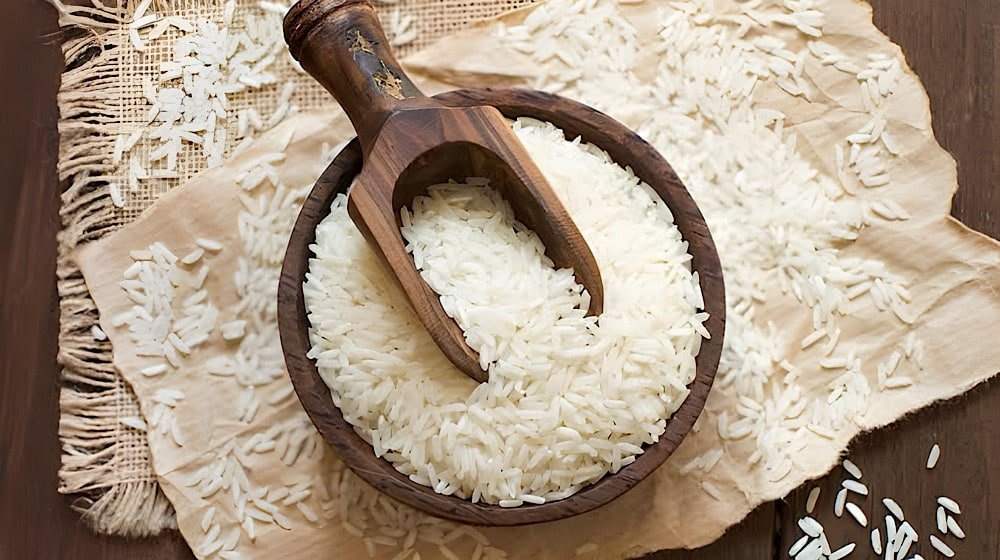
Punjab is the heart of Pakistan’s rice-growing industry, particularly for Basmati rice. Choosing the right rice variety can influence yield, grain quality, maturity period, market demand and ultimately farm profitability. The Rice Research Institute, Kala Shah Kaku (RRI-KSK) has developed dozens of rice varieties suited to Punjab’s agricultural conditions. According to the Punjab Agriculture Department, more than 90% of Punjab’s rice-growing area is covered by varieties developed by the institute. Its breeding program has also produced newer varieties targeting yield, grain length, aroma, nutrition and improved crop characteristics. For farmers, the “best” rice variety depends on the soil, irrigation, sowing method, local climate, crop duration and target market. Super Basmati Super Basmati remains one of the most recognized Basmati varieties cultivated in Punjab. Released in 1996, it is a fine aromatic variety with a reported potential yield of about 65 maunds per acre under the Punjab Agriculture Department’s variety information. Its aromatic grain and established market reputation make it an important choice for farmers targeting the premium Basmati market. The department also highlights the major economic contribution associated with Super Basmati. Basmati 515 Basmati 515 is another important Basmati variety for Punjab. Released in 2011, it was developed at Rice Research Institute, Kala Shah Kaku and selected for productivity and grain quality. Research reported that Basmati 515 produced higher paddy yield than Super Basmati in trials and showed moderate resistance to bakanae/foot rot and blast, making it an important variety for farmers considering both productivity and grain characteristics. PK 1121 Aromatic For farmers interested in extra-long aromatic rice, PK 1121 Aromatic is an important option. The Punjab Agriculture Department lists its potential yield at approximately 60 maunds per acre and grain length at 8.16 mm. It was released in 2013 and has become one of the varieties associated with Pakistan’s extra-long aromatic rice market. Its long grain and aromatic characteristics can make it attractive for premium rice markets and export-oriented production. Basmati 2000 Basmati 2000 was released in 2000 and is another fine Basmati variety recommended across Punjab. The variety has a reported potential yield of around 60 maunds per acre, with a grain length of approximately 7.68 mm. Its relatively established position makes it worth considering where farmers have suitable growing conditions and access to a Basmati market. Punjab Basmati Punjab Basmati, released in 2016, was developed specifically within Punjab’s rice research system. The variety has a reported potential yield of approximately 80 maunds per acre in the Punjab Agriculture Department’s variety table, with a grain length of about 7.60 mm. It has a comparatively shorter maturity period of around 100 days than some traditional Basmati varieties. Kissan Basmati Kissan Basmati is another variety developed for Punjab’s Basmati-growing areas. Released in 2016, it has a listed potential yield of approximately 72 maunds per acre and a maturity period of around 94 days. Its shorter crop duration may be attractive to farmers who want to manage crop rotations and field scheduling more efficiently. Chenab Basmati Released in 2016, Chenab Basmati is a fine Basmati variety with a reported potential yield of approximately 65 maunds per acre. The Punjab Agriculture Department lists its maturity at about 107 days and grain length at around 7.61 mm. Super Gold Super Gold, released in 2019, is another fine Basmati variety developed by Rice Research Institute, Kala Shah Kaku. The Punjab Agriculture Department lists its potential yield at approximately 70 maunds per acre, with a maturity period of about 105 days. Sona Super Basmati Farmers looking for very long-grain Basmati rice should also know about Sona Super Basmati. Released in 2023, the variety is described by Punjab Agriculture Department as having the longest grain, with a reported grain length of approximately 9.50 mm and a potential yield of about 71 maunds per acre. Its extra-long grain characteristic can make it particularly interesting for premium and export-oriented rice production. Vital Super Basmati Vital Super Basmati was also released in 2023. The variety is notable because Punjab Agriculture Department describes it as the first fortified rice variety with iron and zinc. It has a listed potential yield of around 70 maunds per acre, with approximately 8.05 mm grain length and a maturity period of about 112 days. Sultan Super Basmati: A Newer Option One of the newest varieties listed by Punjab Agriculture Department is Sultan Super Basmati, released in 2025. The department reports a potential yield of approximately 77 maunds per acre, a maturity period of about 124 days and grain length of approximately 9.66 mm. This makes it particularly notable among newer long-grain Basmati varieties. Because newer varieties may have different seed availability and local performance, farmers should consult agricultural extension specialists before selecting them on a large commercial area. KSK 111H Hybrid Rice Farmers interested in hybrid Basmati can consider KSK 111H, which the Rice Research Institute identifies as Pakistan’s first Basmati hybrid. The variety was approved for general cultivation in 2021. Official varietal information reports a maturity period of about 105 days and an average paddy yield of approximately 5.90 tonnes per hectare in the cited evaluation. Which Rice Variety Is Best for Your Farm? There is no single rice variety that is automatically best for every Punjab farmer. Before purchasing seed, consider: Quality seed is especially important. The Rice Research Institute states that poor-quality or unhealthy seed can contribute to yield losses and currently provides limited quantities of pre-basic and basic seed for multiplication and cultivation. Final Verdict Punjab offers farmers a wide selection of Basmati, aromatic, fine, coarse and hybrid rice varieties. Popular choices include Super Basmati, Basmati 515, PK 1121 Aromatic, Basmati 2000, Punjab Basmati, Kissan Basmati, Chenab Basmati and Super Gold, while newer options such as Sona Super Basmati, Vital Super Basmati and Sultan Super Basmati expand the choices available to modern rice growers. The best approach is to select a certified variety suited to your district, soil, water availability and target market, rather than choosing a seed solely because it has a high advertised yield. For more practical

Wheat-Farming
Important Blogs

Wheat Farming in Pakistan: Complete Guide to Higher Yields, Better Crop Management and Profitable Production

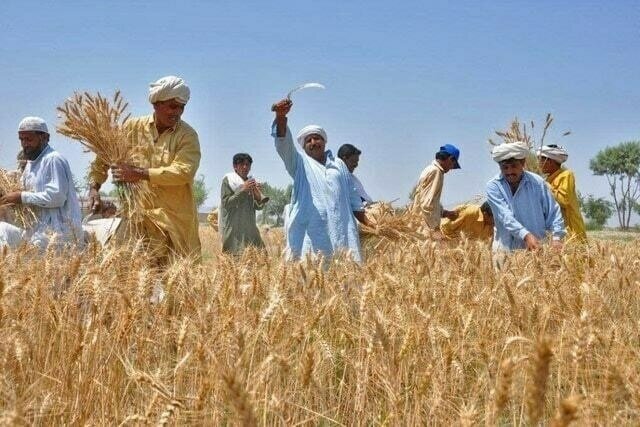
Wheat farming in Pakistan is at the heart of the country’s food security and remains one of the most important Rabi crops for farmers. From seed selection and timely sowing to irrigation, fertilizer management, weed control and harvesting, every stage can influence wheat yield and farm profitability. Pakistan’s latest Economic Survey reports that wheat was cultivated on 9.48 million hectares in 2025-26, producing approximately 29.61 million tonnes. Wheat also contributed 7.7% of agricultural value added and 1.8% of GDP. ([Finance Division][1]) For farmers, the goal is not simply to grow wheat but to produce a healthy, high-yielding crop while managing water, fertilizer, seed and production costs efficiently. Why Wheat Is Important for Pakistan Wheat provides a major share of Pakistan’s staple food and supports millions of farming households. Punjab is the country’s leading wheat-producing province, contributing more than 75% of national production. ([Agriculture Punjab][2]) The crop is also central to the rice-wheat and cotton-wheat cropping systems, making efficient wheat cultivation important for both food availability and agricultural income. Best Time for Wheat Sowing Timely sowing is one of the most important decisions in wheat production. Planting too late can reduce tillering and expose the crop to higher temperatures during grain filling. In Punjab, farmers should follow the recommended sowing window for their district and variety. The Punjab Agriculture Department lists varieties such as Arooj 2022, Subhani 2021 and MH 2021, with recommended sowing periods generally beginning in early November. ([Agriculture Punjab][3]) Farmers should also consider: Selecting the Right Wheat Seed Using certified, high-quality seed can provide better germination, crop establishment and varietal purity. Choose varieties according to your farming area, irrigation conditions, disease pressure and local agriculture department recommendations. Modern wheat breeding increasingly focuses on high yield, disease resistance, heat tolerance, drought resilience, salinity tolerance and grain quality. ([Agriculture Punjab][4]) Avoid planting poor-quality grain simply because it is cheaper. Weak germination can create an uneven crop and reduce yield potential. Land Preparation for Wheat Prepare a fine, level and well-aerated seedbed that allows uniform seed placement. Good land preparation should: Farmers should adjust tillage according to soil type, moisture and the previous crop rather than following one method on every field. Wheat Seed Rate and Sowing Seed rate depends on variety, sowing method, seed quality and planting date. Punjab Agriculture Department recommendations have advised approximately 40–50 kg of seed per acre in relevant irrigated conditions, with good germination quality. ([Punjab Government][5]) A properly calibrated drill can help maintain more uniform plant spacing and seed depth. Late sowing may require management adjustments, but farmers should follow local extension recommendations instead of simply increasing seed quantity. Fertilizer Management Wheat requires balanced nutrition, particularly nitrogen, phosphorus and potassium. Phosphorus and potash are generally applied around sowing, while nitrogen is commonly divided into multiple applications. Punjab Agriculture Department guidance also recommends using soil testing to determine nutrient requirements rather than applying identical fertilizer quantities to every field. ([Punjab Government][5]) Important nutrients include: Overusing fertilizer can increase costs and create nutrient or environmental problems. Soil analysis should guide fertilizer planning. Irrigation for Wheat Crop Water management is essential for achieving good wheat yields. The exact irrigation schedule depends on soil type, rainfall, temperature, sowing date and water availability. Farmers should pay particular attention to critical crop stages and avoid both severe moisture stress and unnecessary irrigation. Modern techniques can improve water productivity. Research from Punjab’s Agriculture Department reports that bed planting can save substantial irrigation water, making water-efficient wheat production an important consideration where irrigation resources are limited. ([Agriculture Punjab][6]) Weed, Pest and Disease Management Weeds compete with wheat for water, nutrients, sunlight and space. Regular field monitoring helps farmers identify weed problems before they become severe. Wheat can also face diseases such as rusts, smuts, bunts and other pathogens, while insect pests may cause additional crop losses. Punjab’s Wheat Research Institute focuses on developing varieties with resistance to major diseases and tolerance to heat, drought and salinity. ([Agriculture Punjab][4]) Use only locally recommended pesticides and herbicides when necessary, and follow the product label and agriculture extension advice. Wheat Harvesting in Pakistan Wheat harvesting generally begins when the crop reaches maturity and grain moisture falls to an appropriate level. Harvesting too early can affect grain quality, while excessive delay can increase losses from weather, shattering and lodging. Farmers should plan: Proper post-harvest handling protects both grain quality and farmer income. How to Increase Wheat Yield in Pakistan Farmers can improve wheat production by combining several practices rather than relying on a single input: The Future of Wheat Farming Pakistan’s future wheat production will increasingly depend on climate-resilient varieties, efficient irrigation, improved seed, balanced nutrition, mechanization and better farm management. With wheat demand expected to remain closely connected to Pakistan’s food security, farmers who combine traditional experience with modern agricultural practices can improve productivity while making better use of scarce resources. PakFarming.com brings practical information about wheat cultivation, crop production, farming techniques, agricultural technology, farm management and Pakistan’s agriculture sector to help farmers make better-informed decisions.

Scroll to Top