Important Blogs

Buffalo-Farming
Important Blogs

Buffalo Farming in Pakistan: Complete Beginner’s Guide to Feeding, Housing, Breeding and Profit

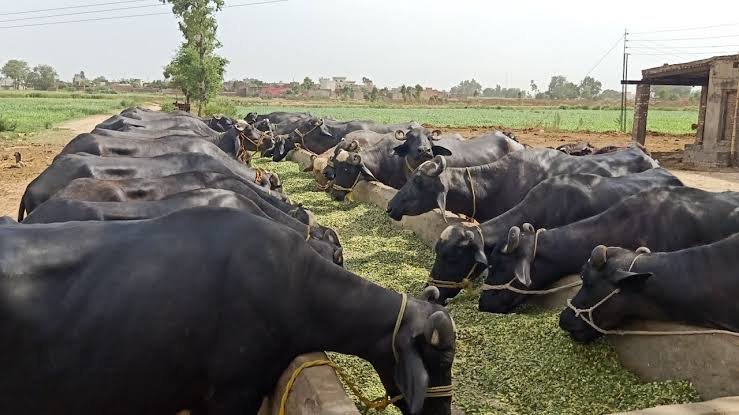
Buffalo farming in Pakistan can be a rewarding livestock business for farmers who understand animal nutrition, housing, breeding, disease prevention and milk management. Buffaloes are especially important to Pakistan’s dairy sector because they contribute a major share of the country’s milk production. According to the Pakistan Economic Survey 2025-26, Pakistan’s buffalo population is estimated at 47.7 million, while buffalo milk production is estimated at 44.41 million tonnes. For beginners, success starts with choosing healthy animals and creating a practical management system. Why Start Buffalo Farming? Buffalo farming can provide several income opportunities, including fresh milk, breeding animals, calves and manure. Dairy farmers can build their business gradually by starting with a small herd and expanding as their experience and cash flow improve. Pakistan’s strong demand for milk makes dairy buffalo farming particularly relevant for smallholders and commercial livestock farms. Choosing the Right Buffalo Breed Nili-Ravi is one of the most important dairy buffalo breeds associated with Pakistan. When purchasing animals, beginners should look beyond appearance and evaluate: Buy animals from trustworthy farms or breeders whenever possible and have a veterinarian examine them before purchase. Buffalo Housing and Farm Setup A good buffalo shed should provide shade, ventilation, drainage, clean water and protection from extreme weather. Keep the floor clean and reasonably dry, while providing enough space for animals to rest and move comfortably. Proper drainage is particularly important because standing wastewater can create hygiene problems. In Pakistan’s hot summers, cooling becomes an important part of buffalo management. Shade, clean drinking water and appropriate bathing or cooling practices can help animals cope with heat stress. Buffalo Feeding Management Nutrition directly affects milk yield, body condition and reproduction. A buffalo ration should provide adequate: Common fodder options can include seasonal grasses, maize fodder, sorghum and other locally available feed resources. Avoid making sudden changes to the diet. Introduce new feed gradually and adjust the ration according to the animal’s age, body condition, pregnancy status and milk production. For a commercial farm, a livestock nutritionist can formulate a balanced ration according to locally available ingredients. Clean Water Is Essential A productive dairy buffalo needs regular access to clean, fresh drinking water. Water requirements increase during hot weather and lactation. Check water troughs frequently and clean them to prevent contamination. Good water management is one of the simplest ways to improve overall herd management. Breeding and Reproduction Efficient reproduction is essential for a profitable buffalo farm. Farmers should monitor animals for heat signs, maintain breeding records and work with a veterinarian or trained livestock professional for artificial insemination or natural breeding. Keep records of: Good records help farmers identify reproductive problems early and plan the herd more effectively. Buffalo Calf Care Newborn calves require immediate attention. Ensure the calf receives colostrum soon after birth, maintain clean housing and monitor its feeding and health. Young calves should receive appropriate nutrition, clean water and veterinary care according to local livestock recommendations. Disease Prevention and Veterinary Care Preventive healthcare is generally more effective than waiting until animals become seriously ill. Farmers should maintain a vaccination schedule recommended by local livestock authorities and monitor the herd for: Quarantine newly purchased animals when appropriate and contact a veterinarian when illness is suspected. Milking Management Clean milking practices protect milk quality and animal health. Before milking, clean the udder and use hygienic equipment. Handle milk promptly and keep containers clean. If possible, cool milk quickly after collection and transport it using hygienic practices. Consistent milking times can also help maintain an organized dairy routine. How to Make Buffalo Farming Profitable Profit depends on the difference between milk and livestock income and total farm expenses. Track costs such as: Do not judge profitability only by milk production. Calculate the complete cost of maintaining each animal. Final Tips for Beginners Start small, learn herd management and maintain accurate records before expanding. The most important buffalo farming practices include quality animal selection, balanced nutrition, clean housing, adequate water, reproductive management, disease prevention and hygienic milking. Pakistan’s large buffalo population and substantial buffalo milk output demonstrate the importance of this livestock sector. For more practical guides on livestock farming, dairy farming, crop production, agricultural technology and modern farming in Pakistan, follow PakFarming.com.
Best-Rice-Varieties
Important Blogs

Best Rice Varieties for Punjab: Top High-Yielding and Basmati Rice for Pakistani Farmers

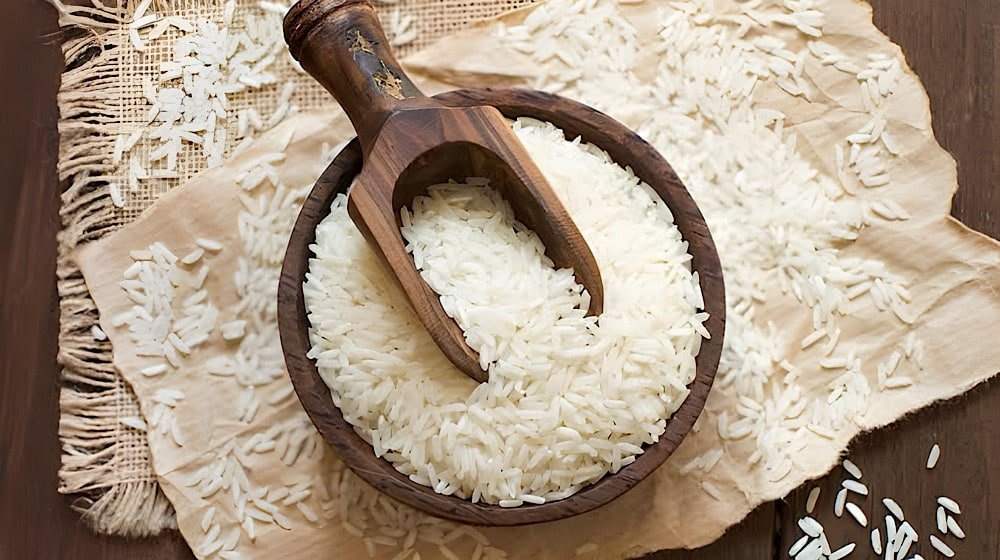
Punjab is the heart of Pakistan’s rice-growing industry, particularly for Basmati rice. Choosing the right rice variety can influence yield, grain quality, maturity period, market demand and ultimately farm profitability. The Rice Research Institute, Kala Shah Kaku (RRI-KSK) has developed dozens of rice varieties suited to Punjab’s agricultural conditions. According to the Punjab Agriculture Department, more than 90% of Punjab’s rice-growing area is covered by varieties developed by the institute. Its breeding program has also produced newer varieties targeting yield, grain length, aroma, nutrition and improved crop characteristics. For farmers, the “best” rice variety depends on the soil, irrigation, sowing method, local climate, crop duration and target market. Super Basmati Super Basmati remains one of the most recognized Basmati varieties cultivated in Punjab. Released in 1996, it is a fine aromatic variety with a reported potential yield of about 65 maunds per acre under the Punjab Agriculture Department’s variety information. Its aromatic grain and established market reputation make it an important choice for farmers targeting the premium Basmati market. The department also highlights the major economic contribution associated with Super Basmati. Basmati 515 Basmati 515 is another important Basmati variety for Punjab. Released in 2011, it was developed at Rice Research Institute, Kala Shah Kaku and selected for productivity and grain quality. Research reported that Basmati 515 produced higher paddy yield than Super Basmati in trials and showed moderate resistance to bakanae/foot rot and blast, making it an important variety for farmers considering both productivity and grain characteristics. PK 1121 Aromatic For farmers interested in extra-long aromatic rice, PK 1121 Aromatic is an important option. The Punjab Agriculture Department lists its potential yield at approximately 60 maunds per acre and grain length at 8.16 mm. It was released in 2013 and has become one of the varieties associated with Pakistan’s extra-long aromatic rice market. Its long grain and aromatic characteristics can make it attractive for premium rice markets and export-oriented production. Basmati 2000 Basmati 2000 was released in 2000 and is another fine Basmati variety recommended across Punjab. The variety has a reported potential yield of around 60 maunds per acre, with a grain length of approximately 7.68 mm. Its relatively established position makes it worth considering where farmers have suitable growing conditions and access to a Basmati market. Punjab Basmati Punjab Basmati, released in 2016, was developed specifically within Punjab’s rice research system. The variety has a reported potential yield of approximately 80 maunds per acre in the Punjab Agriculture Department’s variety table, with a grain length of about 7.60 mm. It has a comparatively shorter maturity period of around 100 days than some traditional Basmati varieties. Kissan Basmati Kissan Basmati is another variety developed for Punjab’s Basmati-growing areas. Released in 2016, it has a listed potential yield of approximately 72 maunds per acre and a maturity period of around 94 days. Its shorter crop duration may be attractive to farmers who want to manage crop rotations and field scheduling more efficiently. Chenab Basmati Released in 2016, Chenab Basmati is a fine Basmati variety with a reported potential yield of approximately 65 maunds per acre. The Punjab Agriculture Department lists its maturity at about 107 days and grain length at around 7.61 mm. Super Gold Super Gold, released in 2019, is another fine Basmati variety developed by Rice Research Institute, Kala Shah Kaku. The Punjab Agriculture Department lists its potential yield at approximately 70 maunds per acre, with a maturity period of about 105 days. Sona Super Basmati Farmers looking for very long-grain Basmati rice should also know about Sona Super Basmati. Released in 2023, the variety is described by Punjab Agriculture Department as having the longest grain, with a reported grain length of approximately 9.50 mm and a potential yield of about 71 maunds per acre. Its extra-long grain characteristic can make it particularly interesting for premium and export-oriented rice production. Vital Super Basmati Vital Super Basmati was also released in 2023. The variety is notable because Punjab Agriculture Department describes it as the first fortified rice variety with iron and zinc. It has a listed potential yield of around 70 maunds per acre, with approximately 8.05 mm grain length and a maturity period of about 112 days. Sultan Super Basmati: A Newer Option One of the newest varieties listed by Punjab Agriculture Department is Sultan Super Basmati, released in 2025. The department reports a potential yield of approximately 77 maunds per acre, a maturity period of about 124 days and grain length of approximately 9.66 mm. This makes it particularly notable among newer long-grain Basmati varieties. Because newer varieties may have different seed availability and local performance, farmers should consult agricultural extension specialists before selecting them on a large commercial area. KSK 111H Hybrid Rice Farmers interested in hybrid Basmati can consider KSK 111H, which the Rice Research Institute identifies as Pakistan’s first Basmati hybrid. The variety was approved for general cultivation in 2021. Official varietal information reports a maturity period of about 105 days and an average paddy yield of approximately 5.90 tonnes per hectare in the cited evaluation. Which Rice Variety Is Best for Your Farm? There is no single rice variety that is automatically best for every Punjab farmer. Before purchasing seed, consider: Quality seed is especially important. The Rice Research Institute states that poor-quality or unhealthy seed can contribute to yield losses and currently provides limited quantities of pre-basic and basic seed for multiplication and cultivation. Final Verdict Punjab offers farmers a wide selection of Basmati, aromatic, fine, coarse and hybrid rice varieties. Popular choices include Super Basmati, Basmati 515, PK 1121 Aromatic, Basmati 2000, Punjab Basmati, Kissan Basmati, Chenab Basmati and Super Gold, while newer options such as Sona Super Basmati, Vital Super Basmati and Sultan Super Basmati expand the choices available to modern rice growers. The best approach is to select a certified variety suited to your district, soil, water availability and target market, rather than choosing a seed solely because it has a high advertised yield. For more practical

Wheat-Farming
Important Blogs

Wheat Farming in Pakistan: Complete Guide to Higher Yields, Better Crop Management and Profitable Production

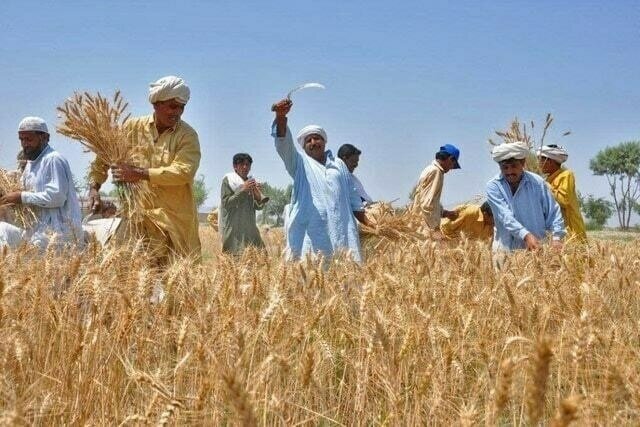
Wheat farming in Pakistan is at the heart of the country’s food security and remains one of the most important Rabi crops for farmers. From seed selection and timely sowing to irrigation, fertilizer management, weed control and harvesting, every stage can influence wheat yield and farm profitability. Pakistan’s latest Economic Survey reports that wheat was cultivated on 9.48 million hectares in 2025-26, producing approximately 29.61 million tonnes. Wheat also contributed 7.7% of agricultural value added and 1.8% of GDP. ([Finance Division][1]) For farmers, the goal is not simply to grow wheat but to produce a healthy, high-yielding crop while managing water, fertilizer, seed and production costs efficiently. Why Wheat Is Important for Pakistan Wheat provides a major share of Pakistan’s staple food and supports millions of farming households. Punjab is the country’s leading wheat-producing province, contributing more than 75% of national production. ([Agriculture Punjab][2]) The crop is also central to the rice-wheat and cotton-wheat cropping systems, making efficient wheat cultivation important for both food availability and agricultural income. Best Time for Wheat Sowing Timely sowing is one of the most important decisions in wheat production. Planting too late can reduce tillering and expose the crop to higher temperatures during grain filling. In Punjab, farmers should follow the recommended sowing window for their district and variety. The Punjab Agriculture Department lists varieties such as Arooj 2022, Subhani 2021 and MH 2021, with recommended sowing periods generally beginning in early November. ([Agriculture Punjab][3]) Farmers should also consider: Selecting the Right Wheat Seed Using certified, high-quality seed can provide better germination, crop establishment and varietal purity. Choose varieties according to your farming area, irrigation conditions, disease pressure and local agriculture department recommendations. Modern wheat breeding increasingly focuses on high yield, disease resistance, heat tolerance, drought resilience, salinity tolerance and grain quality. ([Agriculture Punjab][4]) Avoid planting poor-quality grain simply because it is cheaper. Weak germination can create an uneven crop and reduce yield potential. Land Preparation for Wheat Prepare a fine, level and well-aerated seedbed that allows uniform seed placement. Good land preparation should: Farmers should adjust tillage according to soil type, moisture and the previous crop rather than following one method on every field. Wheat Seed Rate and Sowing Seed rate depends on variety, sowing method, seed quality and planting date. Punjab Agriculture Department recommendations have advised approximately 40–50 kg of seed per acre in relevant irrigated conditions, with good germination quality. ([Punjab Government][5]) A properly calibrated drill can help maintain more uniform plant spacing and seed depth. Late sowing may require management adjustments, but farmers should follow local extension recommendations instead of simply increasing seed quantity. Fertilizer Management Wheat requires balanced nutrition, particularly nitrogen, phosphorus and potassium. Phosphorus and potash are generally applied around sowing, while nitrogen is commonly divided into multiple applications. Punjab Agriculture Department guidance also recommends using soil testing to determine nutrient requirements rather than applying identical fertilizer quantities to every field. ([Punjab Government][5]) Important nutrients include: Overusing fertilizer can increase costs and create nutrient or environmental problems. Soil analysis should guide fertilizer planning. Irrigation for Wheat Crop Water management is essential for achieving good wheat yields. The exact irrigation schedule depends on soil type, rainfall, temperature, sowing date and water availability. Farmers should pay particular attention to critical crop stages and avoid both severe moisture stress and unnecessary irrigation. Modern techniques can improve water productivity. Research from Punjab’s Agriculture Department reports that bed planting can save substantial irrigation water, making water-efficient wheat production an important consideration where irrigation resources are limited. ([Agriculture Punjab][6]) Weed, Pest and Disease Management Weeds compete with wheat for water, nutrients, sunlight and space. Regular field monitoring helps farmers identify weed problems before they become severe. Wheat can also face diseases such as rusts, smuts, bunts and other pathogens, while insect pests may cause additional crop losses. Punjab’s Wheat Research Institute focuses on developing varieties with resistance to major diseases and tolerance to heat, drought and salinity. ([Agriculture Punjab][4]) Use only locally recommended pesticides and herbicides when necessary, and follow the product label and agriculture extension advice. Wheat Harvesting in Pakistan Wheat harvesting generally begins when the crop reaches maturity and grain moisture falls to an appropriate level. Harvesting too early can affect grain quality, while excessive delay can increase losses from weather, shattering and lodging. Farmers should plan: Proper post-harvest handling protects both grain quality and farmer income. How to Increase Wheat Yield in Pakistan Farmers can improve wheat production by combining several practices rather than relying on a single input: The Future of Wheat Farming Pakistan’s future wheat production will increasingly depend on climate-resilient varieties, efficient irrigation, improved seed, balanced nutrition, mechanization and better farm management. With wheat demand expected to remain closely connected to Pakistan’s food security, farmers who combine traditional experience with modern agricultural practices can improve productivity while making better use of scarce resources. PakFarming.com brings practical information about wheat cultivation, crop production, farming techniques, agricultural technology, farm management and Pakistan’s agriculture sector to help farmers make better-informed decisions.

tomatoes-
Important Blogs, Tomato

How to Grow Tomatoes in Pakistan: Complete Guide to Tomato Farming from Seed to Harvest

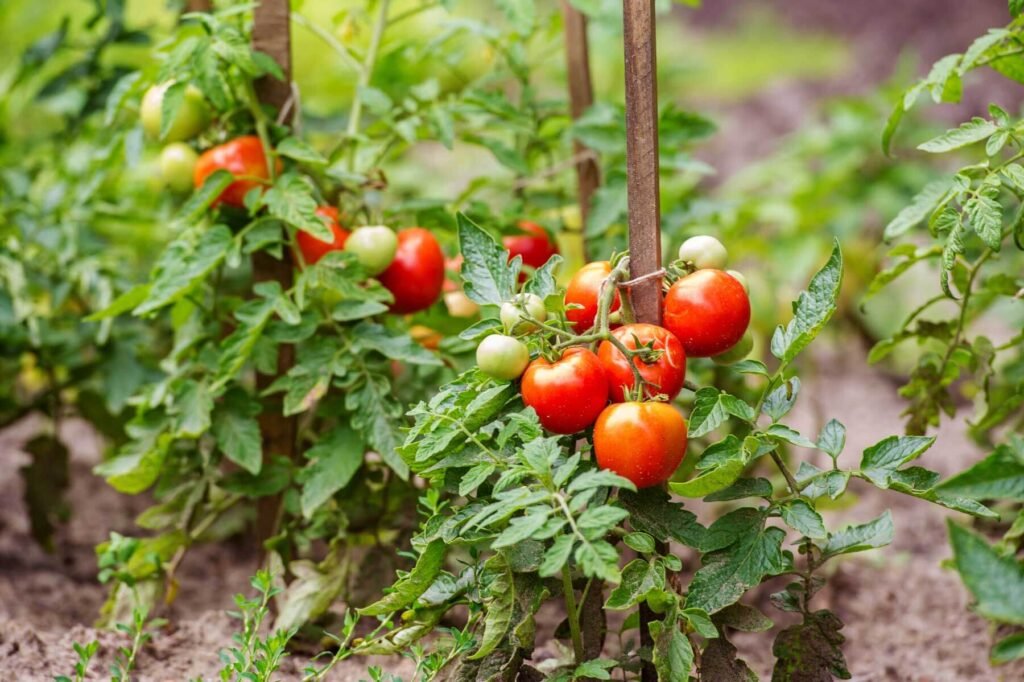
Tomatoes are one of the most widely used vegetables in Pakistani kitchens, making tomato farming in Pakistan an attractive option for commercial growers as well as small farmers and home gardeners. From fresh salads and curries to sauces, ketchup and processed foods, tomatoes have consistent demand in the local market. However, successful tomato cultivation requires more than planting seeds and watering the crop. Farmers need to select suitable varieties, prepare fertile soil, manage irrigation, control weeds and pests, and harvest the fruit at the right stage. Pakistan’s agricultural research system has developed and evaluated several tomato varieties and hybrids for local growing conditions. Punjab Agriculture, for example, lists varieties and hybrids including Salar F1, Naqeeb, Sandal F1, Sundar F1, Ahmar F1, Nadir, Surkhail F1 and Sahara F1, with different growth habits and suitability for open fields or tunnels. ([Agriculture Punjab][1]) This guide explains how to grow tomatoes in Pakistan, including the best planting time, soil preparation, tomato seed selection, nursery raising, transplanting, irrigation, fertilizer, pest management and harvesting. Why Grow Tomatoes in Pakistan? Tomatoes can be a profitable vegetable crop when farmers manage production costs and target the right market window. The crop offers several advantages: Farmers can also target early or off-season tomato production, which may provide better prices when market supply is limited. Punjab’s Vegetable Research Institute reports that tunnel-grown tomatoes can extend the production period and allow farmers to target periods of potentially higher market prices. Its research has also focused on early autumn tomato production and suitable indeterminate hybrids for protected cultivation. ([Agriculture Punjab][2]) Best Time to Grow Tomatoes in Pakistan The best time to plant tomatoes in Pakistan depends on the region, climate, variety and production system. In Punjab, official agriculture recommendations provide different windows for nursery sowing and transplanting. For example, one listed schedule includes nursery sowing in the last half of October followed by transplanting in the last half of November, while another crop window involves nursery sowing around mid-November and transplanting in early February. ([Agriculture Punjab][1]) For tunnel farming, farmers can use different planting schedules to produce tomatoes outside the traditional market season. Tomato Growing Seasons Depending on your location, tomato production can generally be planned around: Do not follow one calendar across the entire country. The ideal planting date in Punjab may not be suitable in Sindh, Balochistan, Khyber Pakhtunkhwa or mountainous areas. Before planting, check local agriculture recommendations and the performance of varieties in your area. 1. Choose the Right Tomato Variety Selecting the right tomato seed is one of the most important decisions a farmer makes. Your choice should depend on: Punjab Agriculture lists both conventional varieties and modern hybrids. For example, Salar F1, Sandal F1, Sundar F1, Surkhail F1 and Sahara F1 are listed as indeterminate types suitable for high-tunnel production, while Naqeeb, Ahmar F1 and Nadir are listed as determinate types suitable for low tunnels or open fields. ([Agriculture Punjab][1]) This distinction matters. Determinate Tomatoes Determinate plants generally have a more compact growth habit and produce their crop over a relatively concentrated period. They can be useful for: Indeterminate Tomatoes Indeterminate plants continue growing and producing over a longer period when conditions are suitable. They are often suitable for: Choose certified seed from a reliable supplier rather than purchasing unknown seed simply because it is inexpensive. 2. Select Suitable Land Tomatoes perform best in fertile, well-drained soil. A suitable field should have: Avoid fields where water remains standing after irrigation or rainfall. Tomato roots need oxygen, and prolonged waterlogging can damage the root system and increase disease problems. 3. Prepare the Soil Before Planting Good soil preparation creates the foundation for healthy tomato plants. Begin by removing weeds and previous crop residues where necessary. Plough or cultivate the field to create a reasonably fine and well-aerated seedbed. Incorporate well-decomposed organic matter where appropriate. A soil test is highly recommended before applying large amounts of fertilizer. Testing helps determine nutrient requirements rather than relying on guesswork. Important nutrients for tomato production include: Avoid applying fertilizer simply because a neighboring farmer uses the same quantity. Nutrient requirements vary according to soil fertility, variety, yield target and previous crop. 4. Raise Healthy Tomato Seedlings Commercial tomato farming commonly begins with nursery production rather than directly sowing large quantities of seed into the field. Use: Protect young seedlings from excessive heat, cold, heavy rain and insects. Overwatering is a common nursery mistake. The growing medium should remain adequately moist without becoming continuously saturated. Healthy seedlings should have: Weak or diseased seedlings can create problems long after transplanting. 5. Transplant Tomato Seedlings Carefully Transplanting is a critical stage in tomato cultivation. Before moving seedlings to the field, gradually expose them to outdoor conditions when necessary. This process helps reduce transplant shock. Prepare planting beds or ridges according to your irrigation and soil conditions. Plant spacing depends on the variety, growth habit, training system and local production recommendations. Avoid planting too closely simply to increase the number of plants per acre. Excessive crowding can reduce airflow and increase humidity around leaves, encouraging disease. Handle seedlings gently and avoid damaging their roots. Water after transplanting as needed to help establish the plants. 6. Give Tomatoes Enough Sunlight Tomatoes are warm-season plants that require good sunlight for strong growth and fruit production. Select a field that receives substantial direct sunlight. Poor light can contribute to: In protected cultivation, manage the tunnel environment carefully. Too much heat can also harm flowering and fruit setting. 7. Irrigate Tomatoes Properly Water management is critical for tomato production. Tomatoes need consistent moisture, particularly during: Avoid extreme fluctuations between very dry soil and excessive irrigation. Irregular watering can contribute to physiological problems such as fruit cracking and inconsistent growth. Drip Irrigation for Tomatoes Drip irrigation can be particularly useful for commercial tomato farming. Punjab Agriculture describes drip irrigation as a system that delivers water and nutrients close to plant roots through emitters. The department reports that high-efficiency irrigation can reduce water use and labor requirements while potentially improving yields

Goat-Farming-in-Pakistan2
Goat farming business, Important Blogs

How Much Does It Cost to Start a Goat Farm in Pakistan? Complete 2026 Cost Guide

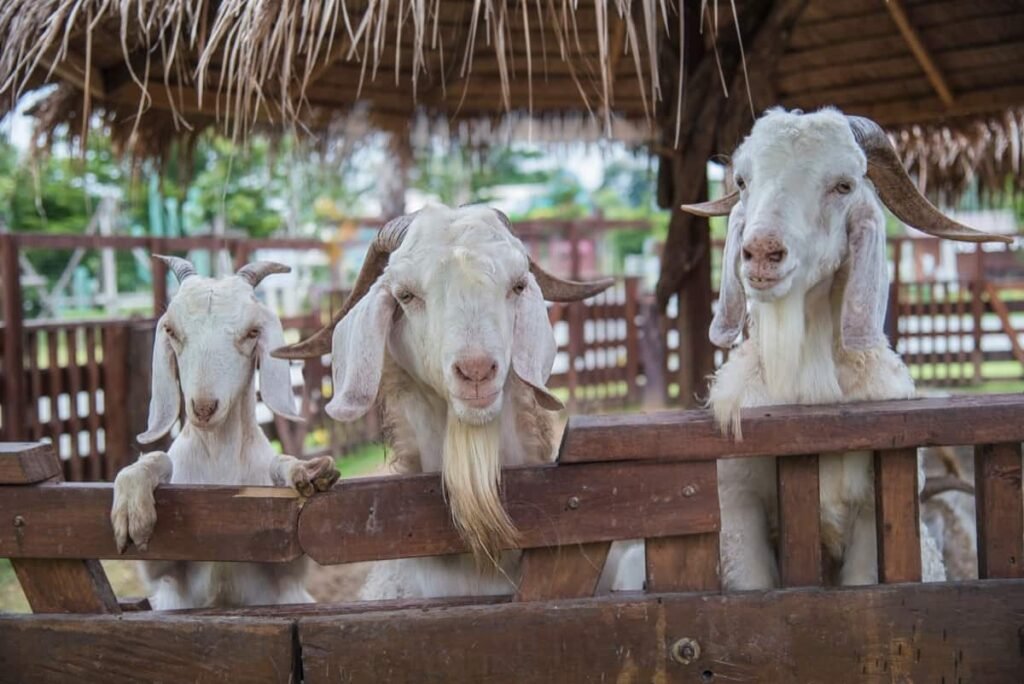
Starting a goat farm in Pakistan can cost anywhere from around PKR 500,000 for a small backyard operation to several million rupees for a commercial goat farm. The exact investment depends on the number of goats, breed, land, housing system, feed strategy, labor and whether you already own agricultural land. Goat farming can be an attractive livestock business because goats require less space than cattle, can utilize different types of fodder and can generate income through meat goats, breeding animals, milk, manure and seasonal demand. Pakistan has a large goat industry. According to the Pakistan Economic Survey 2025-26, the country’s estimated goat population reached 91.8 million animals, compared with 89.4 million in 2024-25. The government estimates goat milk production at 1.133 million tonnes and mutton production at 854,000 tonnes for 2025-26. ([Finance Division][1]) But how much money do you actually need to start? This guide from PakFarming.com breaks down the major costs of starting a goat farm in Pakistan and explains how beginners can plan their investment. Quick Answer: How Much Does a Goat Farm Cost in Pakistan? A practical starting budget can look like this: Farm Size Approximate Initial Investment 10–15 goats PKR 500,000–900,000 25 goats PKR 900,000–1.6 million 50 goats PKR 1.7–3 million 100 goats PKR 3.5–6 million+ 200+ goats PKR 7 million–15 million+ These are planning estimates, not fixed market prices. Your actual investment can be substantially lower or higher depending on livestock quality, breed, land ownership, shed construction, feed availability and local market conditions. If you already own land and can grow fodder, your startup cost can be much lower. What Determines the Cost of a Goat Farm? The total goat farming investment usually comes from several categories rather than one expense. Your major costs include: The animals themselves are often the largest initial expense, but beginners should not overlook recurring feed and healthcare costs. A farm can have valuable goats but still lose money if the owner cannot control operating expenses. 1. Cost of Buying Goats The first major expense is purchasing the breeding or meat-producing herd. Goat prices in Pakistan vary considerably according to: For example, a healthy commercial goat intended for breeding may cost considerably more than an ordinary young goat. Instead of planning your business around one advertised price, visit several livestock markets and farms and establish the current price per animal in your target area. Example: 25-Goat Starter Herd Suppose your initial herd contains: If your average purchase cost is PKR 30,000–50,000 per animal, the livestock component alone could be approximately PKR 750,000–1.25 million. Higher-quality breeding animals can push this figure significantly higher. This is why breed selection and purchasing strategy have a major impact on the total goat farm startup cost. 2. Goat Shed Construction Cost Goats need a dry, clean and well-ventilated shelter. A commercial goat shed may include: You do not necessarily need an expensive building when starting a small goat farm. A basic rural goat shelter can be built using locally available materials, while a commercial operation may require stronger construction and better infrastructure. Estimated Planning Range For a small farm, you might allocate approximately PKR 150,000–400,000 for a basic goat shelter and related improvements. For larger farms, construction can easily reach PKR 500,000 to several million rupees, depending on the size and quality of the facility. If you already have an unused agricultural building, adapting it for goats can reduce startup expenses. 3. Land Cost Land can dramatically change the total investment. If you already own agricultural land, you may not need to include land acquisition in your startup budget. However, if you need to purchase land, the cost depends heavily on: For this reason, there is no meaningful nationwide fixed figure for the cost of land for a goat farm. Leasing Can Reduce Startup Investment A beginner can consider leasing agricultural land instead of buying property. This approach allows you to preserve capital for: However, carefully review the lease terms before making a long-term investment in farm infrastructure. 4. Fencing and Farm Security Goats are active animals and can escape through surprisingly small openings. A good farm should have appropriate fencing around the grazing or exercise area. Possible expenses include: For a small farm, basic fencing may cost tens or hundreds of thousands of rupees depending on the available area and materials. A secure farm can prevent livestock losses and reduce the need for constant supervision. 5. Feed and Fodder Costs Feed is one of the most important recurring expenses in goat farming. Goats can consume: The exact feeding program should depend on the goat’s age, breed, body condition, pregnancy status and production purpose. Grow Your Own Fodder One way to reduce feed expenses is to grow fodder on your own land. This can provide: However, growing fodder also involves costs for seed, irrigation, fertilizer, labor and land preparation. Do not assume home-grown fodder is completely free when calculating profitability. 6. Water System Clean water is essential for a healthy goat herd. A small farm may require: The cost depends on whether the farm already has a reliable water connection. If water is difficult to obtain, investigate the supply before buying animals. A cheap farm without reliable water can become an expensive operation very quickly. 7. Veterinary and Vaccination Expenses Animal health should be included in your budget from day one. Potential veterinary expenses include: New goats should be monitored carefully after purchase, particularly when introducing animals from different sources. Maintaining individual animal records can also help you identify recurring health and reproductive problems. Never build a business plan that assumes every goat will remain healthy throughout the year. 8. Labor Cost A small family-run goat farm may not need a full-time employee. As the herd grows, however, you may need workers for: Labor requirements depend on the farming system. A grazing-based operation may require different staffing from an intensive commercial goat farm. Before hiring workers, calculate how many animals one person can realistically manage under your specific system. 9. Goat Breeding Costs Breeding

cattle-farm-business-plan
Dairy business, Important Blogs

How to Start a Dairy Farm in Pakistan: Complete Guide to a Profitable Dairy Farming Business

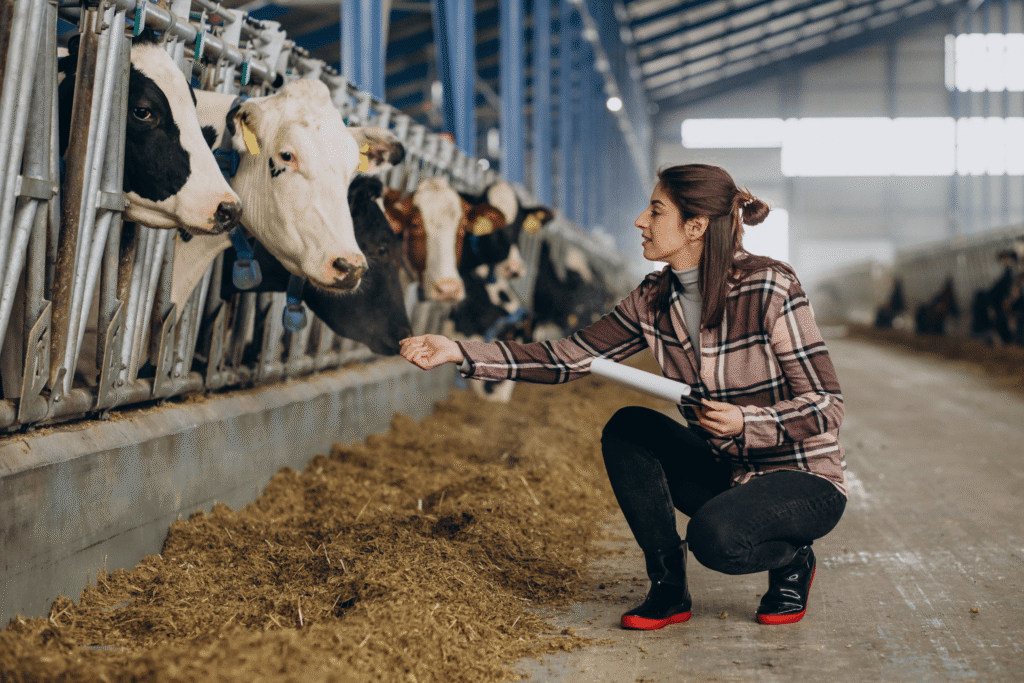
Starting a dairy farm in Pakistan can become a strong agricultural business when you combine the right livestock, quality feed, proper animal care, and a reliable milk marketing strategy. Pakistan has a large livestock base, and dairy farming remains an important part of the country’s agricultural economy. According to the Pakistan Economic Survey, estimated milk production reached 72.343 million tonnes in 2024-25, with buffaloes contributing the largest share. ([Finance Division][1]) For beginners, however, dairy farming is not simply about buying cows or buffaloes and selling milk. A successful dairy farm requires careful planning, suitable land, housing, nutrition, veterinary care, breeding management, labor, and financial control. This guide explains how to start a dairy farm in Pakistan, from choosing animals and preparing a farm to managing feed, milk production, costs, and profits. Why Start a Dairy Farm in Pakistan? Pakistan has a large market for fresh milk and dairy products. The country’s estimated livestock population in 2024-25 included approximately 59.7 million cattle and 47.7 million buffaloes. ([Finance Division][1]) This creates opportunities for farmers who can produce clean, high-quality milk consistently. A dairy farm can generate income from: The business can start on a small scale and expand as the farmer gains experience and develops a customer base. 1. Create a Dairy Farm Business Plan Before purchasing animals, prepare a practical dairy farming business plan. Your plan should answer: Do not calculate profitability from milk sales alone. Include feed costs, labor, veterinary expenses, breeding, electricity, water, transportation, maintenance, animal replacement and unexpected losses. A small, well-managed farm is usually a better starting point than purchasing a large herd without sufficient working capital. 2. Choose the Right Location Location can significantly affect dairy farm profitability. Choose land with access to: The farm should have good drainage and enough space for animal housing, feeding, storage, manure management and future expansion. Avoid areas that regularly experience flooding or waterlogging. 3. Select Cows or Buffaloes Carefully Animal selection is one of the most important decisions in dairy farming. Pakistan’s dairy sector relies heavily on buffaloes as well as cattle. Official estimates for 2024-25 put buffalo milk production at about 43.132 million tonnes, compared with approximately 27.083 million tonnes from cows. ([Finance Division][1]) When buying an animal, examine: Do not purchase an animal only because it looks large or healthy. Ask for reliable production records whenever possible and have a veterinarian inspect expensive animals before purchase. 4. Build Proper Dairy Housing Good housing keeps animals comfortable, reduces disease risk and makes daily farm operations easier. A dairy shed should provide: Pakistan’s hot summers make heat management especially important. Good airflow, shade and constant access to clean water can help reduce heat stress. Keep the floor and feeding area clean. Wet and dirty conditions can increase the risk of infections and hoof problems. 5. Plan a Balanced Dairy Feed Program Feed is usually one of the largest recurring costs on a dairy farm. A productive animal needs a balanced ration containing: Common fodder options can include maize, sorghum, berseem and other locally suitable forage crops. The exact ration should depend on the animal’s body weight, milk yield, pregnancy status, age and health. A livestock nutritionist or veterinarian can help formulate an appropriate feeding program. Growing your own fodder can reduce dependence on the market and provide greater control over feed availability. 6. Give Animals Constant Access to Clean Water Water is essential for milk production. Dairy animals should have regular access to clean, safe drinking water, particularly during hot weather. Dirty or inadequate water can reduce feed intake, animal comfort and productivity. Clean water troughs frequently and prevent manure from contaminating the drinking supply. 7. Establish a Veterinary and Vaccination Program Disease prevention is much better than treating a serious outbreak after it occurs. Work with a qualified veterinarian to establish a herd health program covering: New animals should be handled carefully and, where appropriate, isolated before joining the main herd. Maintain records for every animal. A simple record can include identification number, vaccination dates, breeding information, calving dates, health treatments and milk production. 8. Focus on Clean Milk Production Milk quality directly affects your reputation and customer retention. Use hygienic milking practices: Good hygiene can help you build a premium reputation among households, retailers, restaurants and dairy processors. 9. Develop a Strong Milk Marketing Strategy Producing milk is only half of the business. You also need a reliable buyer. Potential customers include: A farm located close to a large population center may have an advantage because transportation costs and delivery time can be lower. Some farmers can also create a direct-to-consumer milk delivery business, allowing them to build recurring customers instead of depending entirely on middlemen. 10. Calculate Dairy Farm Costs and Profit Dairy farm profitability depends on the relationship between milk revenue and total operating costs. Major startup costs Recurring costs A simple calculation is: Monthly Dairy Revenue = Milk Sold × Average Milk Price Then: Estimated Profit = Total Revenue − Total Operating Costs Do not use unrealistic milk yields or prices in your financial projections. Milk production varies between animals, breeds, seasons, nutrition programs and stages of lactation. 11. Manage Calves and Breeding Properly Calf management determines the future of your herd. Newborn calves need proper colostrum management, clean housing, adequate nutrition and timely veterinary attention. Maintain breeding records and monitor reproductive performance. Poor reproductive management can increase the number of non-productive animals and raise farm costs. Artificial insemination or natural breeding should be selected according to the farm’s goals and professional veterinary advice. 12. Use Farm Records and Technology Modern dairy farming is increasingly data-driven. Keep records for: Even a simple spreadsheet or mobile record system can help identify high-performing animals and unnecessary expenses. As the farm grows, technologies such as milk analyzers, automated milking systems, cooling equipment, livestock identification and farm-management software can improve efficiency. 13. Start Small and Scale Gradually One of the biggest mistakes beginners make is starting with more animals than they can manage. Instead, consider starting with

Scroll to Top