
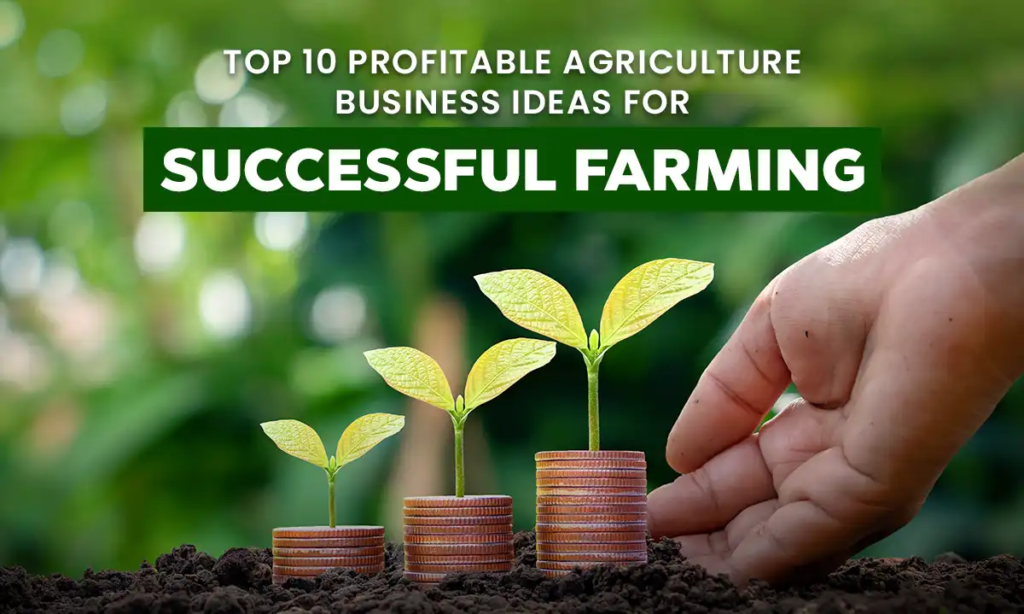
Pakistan’s agriculture sector is much bigger than traditional wheat, rice, and cotton farming. For entrepreneurs and farmers looking for better returns, livestock, poultry, horticulture, fisheries, beekeeping, mushrooms, and high-value crops can create attractive business opportunities.
Agriculture remains a major part of Pakistan’s economy and rural employment. The Pakistan Bureau of Statistics reports that agriculture, forestry, and fishing contribute significantly to national economic activity, while livestock represents a particularly important part of agricultural value added.
But profitability depends on location, land size, input costs, market access, management skills, climate, and selling prices. There is no single farming business that guarantees profit.
Here are 10 promising farming businesses in Pakistan for entrepreneurs and farmers exploring modern agriculture opportunities.
1. Dairy Farming
Dairy farming is one of Pakistan’s most established agricultural businesses. Farmers can generate income from milk while also earning from calves, breeding animals, manure, and other livestock-related activities.
Demand for fresh milk remains strong across Pakistan, creating opportunities for small, medium, and commercial dairy farms.
How to improve dairy farm profitability
- Select healthy, productive animals
- Maintain proper animal nutrition
- Provide clean drinking water
- Follow vaccination and veterinary programs
- Improve milk hygiene
- Reduce feed wastage
- Build relationships with reliable buyers
The key to profitability is not simply owning more animals. High milk productivity, controlled feed costs, animal health, and consistent sales matter more.
2. Poultry Farming
Poultry farming can provide faster production cycles than many traditional livestock businesses.
Entrepreneurs can focus on broiler production, egg farming, breeder operations, or specialized poultry products.
A successful poultry business requires careful control of:
- Feed expenses
- Disease prevention
- Temperature and ventilation
- Mortality rates
- Chick quality
- Market prices
- Farm biosecurity
Because poultry prices and feed costs can fluctuate, farmers should understand their local market before investing heavily.
3. Fish Farming
Pakistan has opportunities for commercial fish farming where water resources, land, and suitable climatic conditions are available.
Farmers can raise species such as carp and other commercially suitable freshwater fish.
Fish farming can become particularly attractive when farmers have access to reliable water and nearby markets.
A profitable fish farm depends on pond preparation, stocking density, water quality, feed management, disease monitoring, and harvesting at the right market size.
4. Goat Farming
Goat farming in Pakistan is attractive for farmers who want to enter livestock production with relatively flexible land requirements.
Goats can provide income through meat, breeding stock, milk, and seasonal demand.
For better returns, farmers should focus on:
- Healthy breeds
- Proper nutrition
- Disease prevention
- Controlled breeding
- Clean housing
- Weight monitoring
- Direct market access
Goat farming can also complement crop production because farmers can integrate livestock with existing agricultural resources.
5. Beekeeping and Honey Production
Beekeeping is a comparatively small-scale farming business that can generate income without requiring large areas of farmland.
Bees produce honey while also supporting pollination, which can benefit fruit, vegetable, and seed production.
Pakistan’s diverse agricultural landscapes provide opportunities for apiculture and honey production, particularly where flowering crops, orchards, and natural vegetation provide suitable forage.
Farmers can potentially earn from:
- Honey
- Beeswax
- Nucleus colonies
- Queen bees
- Bee colonies
- Pollination services
Quality control, proper hive management, disease prevention, and packaging are essential for building a profitable honey brand.
6. High-Value Vegetable Farming
Traditional field crops are not the only way to use agricultural land.
Farmers can consider high-value vegetables such as tomatoes, chilies, cucumbers, capsicum, leafy greens, and other crops suited to local conditions.
Profitability can increase when farmers combine efficient irrigation, protected cultivation, improved seeds, good crop management, and direct access to urban markets.
For entrepreneurs near major cities, supplying restaurants, supermarkets, wholesalers, and food processors can create additional opportunities.
7. Fruit Orchard Farming
Pakistan’s diverse climate supports numerous fruit crops, making fruit farming and commercial orchards another promising agricultural business.
Depending on location, farmers can explore mangoes, citrus, guava, dates, apples, kinnow, peaches, plums, and other commercially suitable fruits.
Orchards require patience because many fruit trees take years to reach full production. However, established orchards can become long-term agricultural assets.
Farmers can increase their revenue potential through:
- Better varieties
- Efficient irrigation
- Pruning
- Integrated pest management
- Grading
- Cold storage
- Better packaging
- Direct-to-market sales
The biggest opportunity may not always be producing more fruit—it can be selling better-quality fruit at a stronger price.
8. Mushroom Farming
Mushroom farming is an interesting option for entrepreneurs with limited agricultural land.
Unlike conventional field farming, mushrooms can be cultivated in controlled environments using suitable growing materials and carefully managed temperature and humidity.
This business can appeal to urban and peri-urban entrepreneurs because production can take place in relatively small spaces.
However, mushrooms are sensitive to contamination and environmental conditions. Successful growers need knowledge of sanitation, growing media, humidity, temperature, harvesting, storage, and marketing.
9. Floriculture and Nursery Business
Flowers and ornamental plants can turn agriculture into a higher-value commercial enterprise.
Floriculture, plant nurseries, landscaping plants, and ornamental gardening can serve customers ranging from households to hotels, offices, event planners, landscapers, and property developers.
Entrepreneurs can produce:
- Flowering plants
- Ornamental trees
- Indoor plants
- Seasonal flowers
- Landscaping plants
- Fruit seedlings
- Vegetable seedlings
A nursery business can become particularly attractive when located close to a large urban market.
The business also benefits from value-added services such as landscaping, delivery, plant maintenance, and garden design.
10. Organic and Specialty Farming
Consumer interest in organic food, specialty vegetables, herbs, and premium agricultural products creates another potential niche.
Instead of competing entirely on volume, farmers can target customers willing to pay for quality, traceability, specialized varieties, or carefully managed production.
Potential products include:
- Organic vegetables
- Herbs
- Specialty chilies
- Culinary plants
- Premium fruits
- Natural honey
- Farm-fresh eggs
- Specialty livestock products
Farmers should avoid assuming that simply labeling a product “organic” guarantees higher profits. Certification, production standards, packaging, logistics, customer trust, and market demand all influence the final return.
How to Choose the Right Farming Business
The most profitable farming business for one farmer may be completely unsuitable for another.
Before investing, evaluate five important factors:
1. Local Climate
Choose an enterprise suited to your area’s temperature, rainfall, soil, and water availability.
2. Market Demand
Find out who will purchase your product before starting production.
3. Initial Investment
Calculate land preparation, livestock, seed, equipment, buildings, irrigation, labor, feed, electricity, and working capital.
4. Production Cycle
Understand how long it will take to generate revenue. Poultry can have a relatively short production cycle, while orchards require a much longer investment horizon.
5. Profit Margin
Don’t judge a business by its selling price alone. Calculate revenue minus feed, seed, fertilizer, labor, electricity, water, transportation, mortality, maintenance, and other operating expenses.
Modern Technology Can Increase Farm Profitability
Technology is becoming increasingly important in Pakistan’s agriculture sector.
Farmers can use drip irrigation, solar-powered systems, agricultural drones, farm management software, soil testing, weather data, precision agriculture, greenhouse technology, and digital marketplaces to improve decision-making.
The country’s latest agricultural data also highlights the economic importance of farming and livestock, reinforcing why productivity and efficient resource management matter for rural businesses.
Final Verdict
The 10 most profitable farming businesses in Pakistan are not limited to conventional crop cultivation.
Dairy farming, poultry, fish farming, goat farming, beekeeping, high-value vegetables, fruit orchards, mushroom cultivation, floriculture, and specialty farming all offer different paths to agricultural income.
For a new entrepreneur, the smartest strategy is to start with a business that matches available capital, land, water, technical knowledge, labor, and local demand.
Pakistan’s agriculture sector continues to provide opportunities, but successful farming is increasingly about business planning rather than simply production. Farmers who control costs, adopt efficient technology, understand their customers, reduce waste, and add value to their products can build stronger and more sustainable agricultural businesses.
For more practical farming guides, agricultural business ideas, and modern agriculture insights, PakFarming.com can help farmers and entrepreneurs explore the changing opportunities in Pakistan’s agriculture industry.