
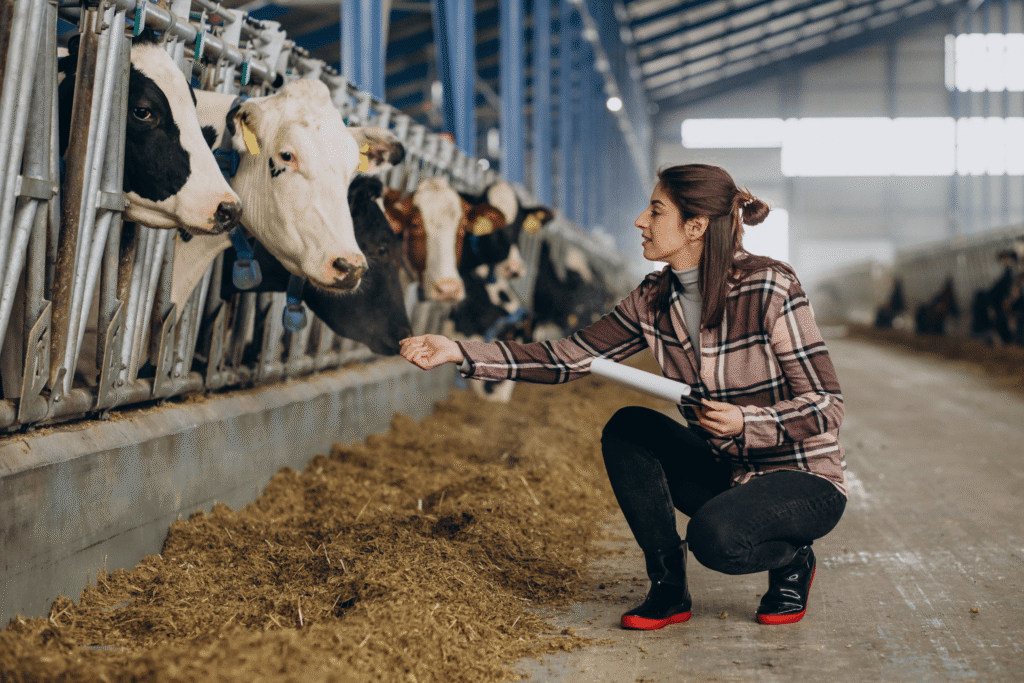
How to Start a Dairy Farm in Pakistan: Complete Guide to a Profitable Dairy Farming Business
Starting a dairy farm in Pakistan can become a strong agricultural business when you combine the right livestock, quality feed, proper animal care, and a reliable milk marketing strategy. Pakistan has a large livestock base, and dairy farming remains an important part of the country’s agricultural economy. According to the Pakistan Economic Survey, estimated milk production reached 72.343 million tonnes in 2024-25, with buffaloes contributing the largest share. ([Finance Division][1]) For beginners, however, dairy farming is not simply about buying cows or buffaloes and selling milk. A successful dairy farm requires careful planning, suitable land, housing, nutrition, veterinary care, breeding management, labor, and financial control. This guide explains how to start a dairy farm in Pakistan, from choosing animals and preparing a farm to managing feed, milk production, costs, and profits. Why Start a Dairy Farm in Pakistan? Pakistan has a large market for fresh milk and dairy products. The country’s estimated livestock population in 2024-25 included approximately 59.7 million cattle and 47.7 million buffaloes. ([Finance Division][1]) This creates opportunities for farmers who can produce clean, high-quality milk consistently. A dairy farm can generate income from: The business can start on a small scale and expand as the farmer gains experience and develops a customer base. 1. Create a Dairy Farm Business Plan Before purchasing animals, prepare a practical dairy farming business plan. Your plan should answer: Do not calculate profitability from milk sales alone. Include feed costs, labor, veterinary expenses, breeding, electricity, water, transportation, maintenance, animal replacement and unexpected losses. A small, well-managed farm is usually a better starting point than purchasing a large herd without sufficient working capital. 2. Choose the Right Location Location can significantly affect dairy farm profitability. Choose land with access to: The farm should have good drainage and enough space for animal housing, feeding, storage, manure management and future expansion. Avoid areas that regularly experience flooding or waterlogging. 3. Select Cows or Buffaloes Carefully Animal selection is one of the most important decisions in dairy farming. Pakistan’s dairy sector relies heavily on buffaloes as well as cattle. Official estimates for 2024-25 put buffalo milk production at about 43.132 million tonnes, compared with approximately 27.083 million tonnes from cows. ([Finance Division][1]) When buying an animal, examine: Do not purchase an animal only because it looks large or healthy. Ask for reliable production records whenever possible and have a veterinarian inspect expensive animals before purchase. 4. Build Proper Dairy Housing Good housing keeps animals comfortable, reduces disease risk and makes daily farm operations easier. A dairy shed should provide: Pakistan’s hot summers make heat management especially important. Good airflow, shade and constant access to clean water can help reduce heat stress. Keep the floor and feeding area clean. Wet and dirty conditions can increase the risk of infections and hoof problems. 5. Plan a Balanced Dairy Feed Program Feed is usually one of the largest recurring costs on a dairy farm. A productive animal needs a balanced ration containing: Common fodder options can include maize, sorghum, berseem and other locally suitable forage crops. The exact ration should depend on the animal’s body weight, milk yield, pregnancy status, age and health. A livestock nutritionist or veterinarian can help formulate an appropriate feeding program. Growing your own fodder can reduce dependence on the market and provide greater control over feed availability. 6. Give Animals Constant Access to Clean Water Water is essential for milk production. Dairy animals should have regular access to clean, safe drinking water, particularly during hot weather. Dirty or inadequate water can reduce feed intake, animal comfort and productivity. Clean water troughs frequently and prevent manure from contaminating the drinking supply. 7. Establish a Veterinary and Vaccination Program Disease prevention is much better than treating a serious outbreak after it occurs. Work with a qualified veterinarian to establish a herd health program covering: New animals should be handled carefully and, where appropriate, isolated before joining the main herd. Maintain records for every animal. A simple record can include identification number, vaccination dates, breeding information, calving dates, health treatments and milk production. 8. Focus on Clean Milk Production Milk quality directly affects your reputation and customer retention. Use hygienic milking practices: Good hygiene can help you build a premium reputation among households, retailers, restaurants and dairy processors. 9. Develop a Strong Milk Marketing Strategy Producing milk is only half of the business. You also need a reliable buyer. Potential customers include: A farm located close to a large population center may have an advantage because transportation costs and delivery time can be lower. Some farmers can also create a direct-to-consumer milk delivery business, allowing them to build recurring customers instead of depending entirely on middlemen. 10. Calculate Dairy Farm Costs and Profit Dairy farm profitability depends on the relationship between milk revenue and total operating costs. Major startup costs Recurring costs A simple calculation is: Monthly Dairy Revenue = Milk Sold × Average Milk Price Then: Estimated Profit = Total Revenue − Total Operating Costs Do not use unrealistic milk yields or prices in your financial projections. Milk production varies between animals, breeds, seasons, nutrition programs and stages of lactation. 11. Manage Calves and Breeding Properly Calf management determines the future of your herd. Newborn calves need proper colostrum management, clean housing, adequate nutrition and timely veterinary attention. Maintain breeding records and monitor reproductive performance. Poor reproductive management can increase the number of non-productive animals and raise farm costs. Artificial insemination or natural breeding should be selected according to the farm’s goals and professional veterinary advice. 12. Use Farm Records and Technology Modern dairy farming is increasingly data-driven. Keep records for: Even a simple spreadsheet or mobile record system can help identify high-performing animals and unnecessary expenses. As the farm grows, technologies such as milk analyzers, automated milking systems, cooling equipment, livestock identification and farm-management software can improve efficiency. 13. Start Small and Scale Gradually One of the biggest mistakes beginners make is starting with more animals than they can manage. Instead, consider starting with