
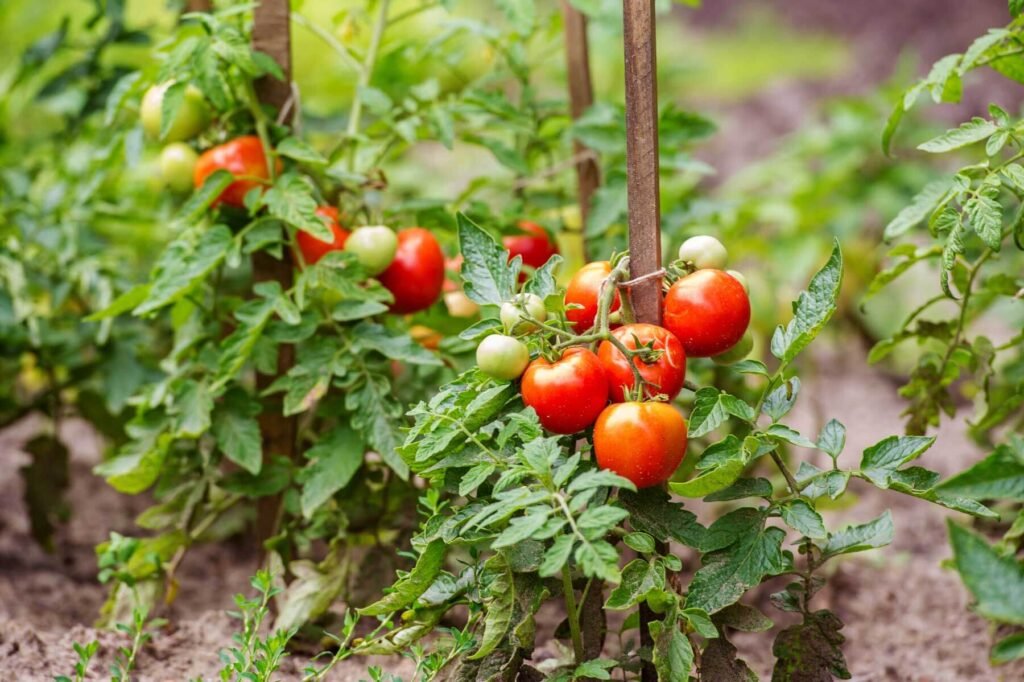
Tomatoes are one of the most widely used vegetables in Pakistani kitchens, making tomato farming in Pakistan an attractive option for commercial growers as well as small farmers and home gardeners. From fresh salads and curries to sauces, ketchup and processed foods, tomatoes have consistent demand in the local market.
However, successful tomato cultivation requires more than planting seeds and watering the crop. Farmers need to select suitable varieties, prepare fertile soil, manage irrigation, control weeds and pests, and harvest the fruit at the right stage.
Pakistan’s agricultural research system has developed and evaluated several tomato varieties and hybrids for local growing conditions. Punjab Agriculture, for example, lists varieties and hybrids including Salar F1, Naqeeb, Sandal F1, Sundar F1, Ahmar F1, Nadir, Surkhail F1 and Sahara F1, with different growth habits and suitability for open fields or tunnels. ([Agriculture Punjab][1])
This guide explains how to grow tomatoes in Pakistan, including the best planting time, soil preparation, tomato seed selection, nursery raising, transplanting, irrigation, fertilizer, pest management and harvesting.
Why Grow Tomatoes in Pakistan?
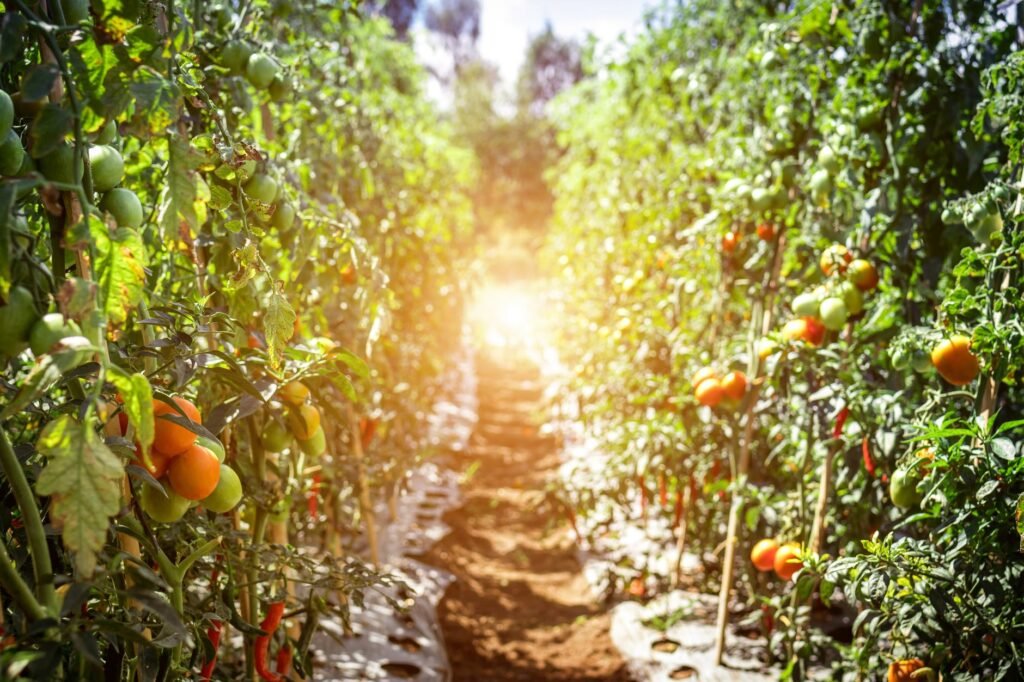
Tomatoes can be a profitable vegetable crop when farmers manage production costs and target the right market window.
The crop offers several advantages:
- Strong consumer demand
- Multiple growing seasons in suitable areas
- Shorter production cycle than many field crops
- Availability of open-field and tunnel production systems
- Opportunities for fresh-market sales
- Potential for processing and value-added products
- Suitability for small and commercial farms
Farmers can also target early or off-season tomato production, which may provide better prices when market supply is limited.
Punjab’s Vegetable Research Institute reports that tunnel-grown tomatoes can extend the production period and allow farmers to target periods of potentially higher market prices. Its research has also focused on early autumn tomato production and suitable indeterminate hybrids for protected cultivation. ([Agriculture Punjab][2])
Best Time to Grow Tomatoes in Pakistan
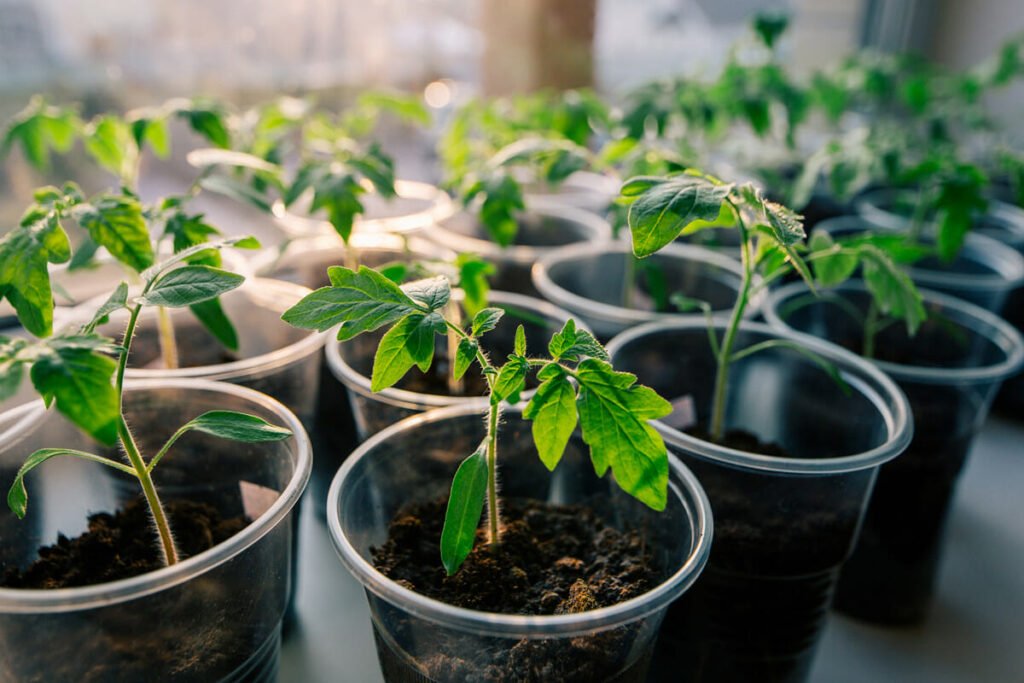
The best time to plant tomatoes in Pakistan depends on the region, climate, variety and production system.
In Punjab, official agriculture recommendations provide different windows for nursery sowing and transplanting. For example, one listed schedule includes nursery sowing in the last half of October followed by transplanting in the last half of November, while another crop window involves nursery sowing around mid-November and transplanting in early February. ([Agriculture Punjab][1])
For tunnel farming, farmers can use different planting schedules to produce tomatoes outside the traditional market season.
Tomato Growing Seasons
Depending on your location, tomato production can generally be planned around:
- Winter and spring production
- Autumn production
- Early-season production
- Off-season tunnel production
Do not follow one calendar across the entire country. The ideal planting date in Punjab may not be suitable in Sindh, Balochistan, Khyber Pakhtunkhwa or mountainous areas.
Before planting, check local agriculture recommendations and the performance of varieties in your area.
1. Choose the Right Tomato Variety
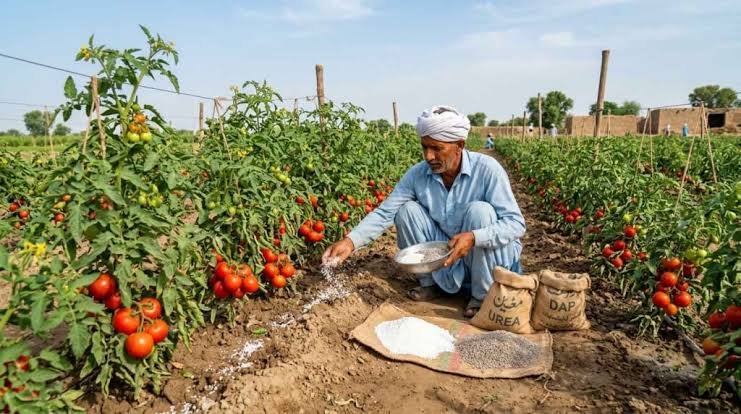
Selecting the right tomato seed is one of the most important decisions a farmer makes.
Your choice should depend on:
- Local climate
- Planting season
- Open-field or tunnel production
- Disease pressure
- Target market
- Fruit size
- Fruit shape
- Shelf life
- Expected yield
- Heat and cold tolerance
Punjab Agriculture lists both conventional varieties and modern hybrids. For example, Salar F1, Sandal F1, Sundar F1, Surkhail F1 and Sahara F1 are listed as indeterminate types suitable for high-tunnel production, while Naqeeb, Ahmar F1 and Nadir are listed as determinate types suitable for low tunnels or open fields. ([Agriculture Punjab][1])
This distinction matters.
Determinate Tomatoes
Determinate plants generally have a more compact growth habit and produce their crop over a relatively concentrated period.
They can be useful for:
- Open-field farming
- Low tunnels
- Commercial seasonal production
Indeterminate Tomatoes
Indeterminate plants continue growing and producing over a longer period when conditions are suitable.
They are often suitable for:
- High tunnels
- Protected cultivation
- Trellising
- Extended harvesting
Choose certified seed from a reliable supplier rather than purchasing unknown seed simply because it is inexpensive.
2. Select Suitable Land
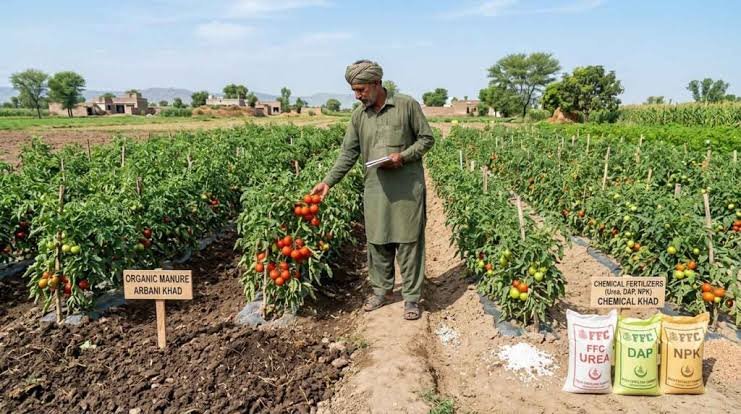
Tomatoes perform best in fertile, well-drained soil.
A suitable field should have:
- Good drainage
- Adequate sunlight
- Reliable irrigation
- Good soil structure
- Access to roads
- Low weed pressure
- No history of severe soil-borne disease
Avoid fields where water remains standing after irrigation or rainfall.
Tomato roots need oxygen, and prolonged waterlogging can damage the root system and increase disease problems.
3. Prepare the Soil Before Planting
Good soil preparation creates the foundation for healthy tomato plants.
Begin by removing weeds and previous crop residues where necessary. Plough or cultivate the field to create a reasonably fine and well-aerated seedbed.
Incorporate well-decomposed organic matter where appropriate.
A soil test is highly recommended before applying large amounts of fertilizer. Testing helps determine nutrient requirements rather than relying on guesswork.
Important nutrients for tomato production include:
- Nitrogen
- Phosphorus
- Potassium
- Calcium
- Magnesium
- Micronutrients
Avoid applying fertilizer simply because a neighboring farmer uses the same quantity. Nutrient requirements vary according to soil fertility, variety, yield target and previous crop.
4. Raise Healthy Tomato Seedlings
Commercial tomato farming commonly begins with nursery production rather than directly sowing large quantities of seed into the field.
Use:
- Quality seed
- Clean nursery trays or beds
- Sterile or clean growing media
- Good drainage
- Adequate sunlight
- Controlled irrigation
Protect young seedlings from excessive heat, cold, heavy rain and insects.
Overwatering is a common nursery mistake. The growing medium should remain adequately moist without becoming continuously saturated.
Healthy seedlings should have:
- Strong stems
- Healthy green leaves
- Good root development
- No obvious insect damage
- No signs of disease
Weak or diseased seedlings can create problems long after transplanting.
5. Transplant Tomato Seedlings Carefully
Transplanting is a critical stage in tomato cultivation.
Before moving seedlings to the field, gradually expose them to outdoor conditions when necessary. This process helps reduce transplant shock.
Prepare planting beds or ridges according to your irrigation and soil conditions.
Plant spacing depends on the variety, growth habit, training system and local production recommendations.
Avoid planting too closely simply to increase the number of plants per acre. Excessive crowding can reduce airflow and increase humidity around leaves, encouraging disease.
Handle seedlings gently and avoid damaging their roots.
Water after transplanting as needed to help establish the plants.
6. Give Tomatoes Enough Sunlight
Tomatoes are warm-season plants that require good sunlight for strong growth and fruit production.
Select a field that receives substantial direct sunlight.
Poor light can contribute to:
- Weak plant growth
- Reduced flowering
- Poor fruit development
- Lower yields
In protected cultivation, manage the tunnel environment carefully. Too much heat can also harm flowering and fruit setting.
7. Irrigate Tomatoes Properly
Water management is critical for tomato production.
Tomatoes need consistent moisture, particularly during:
- Transplant establishment
- Flowering
- Fruit development
- Fruit enlargement
Avoid extreme fluctuations between very dry soil and excessive irrigation.
Irregular watering can contribute to physiological problems such as fruit cracking and inconsistent growth.
Drip Irrigation for Tomatoes
Drip irrigation can be particularly useful for commercial tomato farming.
Punjab Agriculture describes drip irrigation as a system that delivers water and nutrients close to plant roots through emitters. The department reports that high-efficiency irrigation can reduce water use and labor requirements while potentially improving yields and produce quality, although results vary by crop and management. ([Agriculture Punjab][3])
Drip irrigation can also help farmers apply fertilizer through irrigation when an appropriate fertigation program is used.
8. Apply Tomato Fertilizer According to Crop Needs
Tomatoes are nutrient-demanding crops, but more fertilizer does not automatically mean more tomatoes.
A balanced fertilizer program should be based on:
- Soil test
- Variety
- Crop stage
- Expected yield
- Soil type
- Irrigation system
Nitrogen supports vegetative growth, while phosphorus and potassium play important roles in root development, flowering and fruit production.
Potassium is particularly important during fruit development.
Calcium is also important for healthy fruit development, and balanced nutrition can help reduce physiological disorders.
Instead of applying all fertilizer at once, farmers can use a split application strategy based on crop requirements.
9. Control Weeds
Weeds compete with tomato plants for:
- Water
- Nutrients
- Light
- Space
They can also provide shelter for insects and diseases.
Control weeds through appropriate:
- Manual weeding
- Mechanical cultivation
- Mulching
- Crop spacing
- Other locally recommended methods
Mulching can also help conserve soil moisture and reduce weed emergence.
If using herbicides, follow the product label and local agricultural recommendations carefully.
10. Support and Train Tomato Plants
Plant training becomes especially important for indeterminate tomato varieties.
Farmers can use:
- Stakes
- Trellis systems
- Strings
- Clips
- Other suitable support structures
Training keeps plants off the ground and can improve airflow and fruit quality.
It can also make harvesting and crop monitoring easier.
The exact training method should match the variety and production system.
11. Manage Tomato Pests
Tomatoes can be attacked by several insects.
Common problems may include:
- Whiteflies
- Aphids
- Thrips
- Fruit borers
- Leaf miners
- Mites
Whiteflies are particularly important because they can contribute to the spread of viral diseases.
Punjab’s Vegetable Research Institute specifically notes that protection from whiteflies and other sucking insects is important in early autumn tunnel tomato cultivation because these insects can transmit viral diseases. ([Agriculture Punjab][2])
Integrated Pest Management
Instead of spraying pesticides automatically, use an integrated pest management (IPM) approach.
Monitor the crop regularly for:
- Insect populations
- Leaf damage
- Curling leaves
- Discoloration
- Stunted plants
- Virus symptoms
Remove severely affected plants when recommended and control insect vectors.
Use only legally registered agricultural pesticides when necessary, following the label instructions, application rates, pre-harvest interval and safety precautions.
12. Prevent Tomato Diseases
Tomatoes can suffer from fungal, bacterial and viral diseases.
Potential problems include:
- Early blight
- Late blight
- Bacterial diseases
- Fusarium wilt
- Root diseases
- Viral diseases
- Powdery mildew
Disease prevention starts before symptoms appear.
Good Disease Management Practices
Use:
- Healthy certified seed
- Clean nursery media
- Proper crop rotation
- Good drainage
- Adequate plant spacing
- Clean tools
- Controlled irrigation
- Resistant or tolerant varieties where available
Avoid working in the crop when foliage is wet if doing so can spread disease.
Remove infected plant material according to local recommendations.
13. Use Crop Rotation
Do not grow tomatoes repeatedly in exactly the same location when serious soil-borne disease problems are present.
Rotate tomatoes with unrelated crops where practical.
Crop rotation can help break disease cycles and improve overall soil management.
Farmers should also avoid repeatedly planting closely related crops in the same field when they share major diseases.
14. Consider Tunnel Tomato Farming
If you want to target off-season tomato production, tunnel farming may be worth considering.
Pakistan’s Vegetable Research Institute has conducted research on protected vegetable production and reports successful cultivation of tomatoes under plastic tunnels. It has also developed tomato hybrids intended for high- and walk-in-tunnel production. ([Agriculture Punjab][2])
Tunnel farming can provide greater control over:
- Temperature
- Wind
- Rainfall
- Plant environment
- Production timing
However, protected cultivation requires additional investment and management.
Farmers must monitor:
- Ventilation
- Temperature
- Humidity
- Irrigation
- Fertilization
- Pest pressure
A tunnel does not automatically guarantee higher profits.
The economics depend on construction cost, crop yield, market price, labor and production timing.
15. Manage Temperature and Heat Stress
Extreme temperatures can affect tomato flowering and fruit setting.
During hot periods:
- Maintain adequate irrigation
- Protect plants from excessive heat where possible
- Improve tunnel ventilation
- Monitor humidity
- Avoid unnecessary plant stress
- Use locally recommended heat-tolerant varieties
Research priorities in Punjab include developing tomato varieties and hybrids with improved tolerance to heat and frost, showing how important climate resilience has become for vegetable production. ([parb.agripunjab.gov.pk][4])
16. Monitor Flowering and Fruit Setting
Once plants begin flowering, monitor the crop closely.
Good fruit setting depends on several factors, including:
- Temperature
- Water availability
- Nutrition
- Plant health
- Pollination
- Variety
If flowers are dropping excessively, investigate the cause instead of immediately increasing fertilizer.
Environmental stress, nutrient imbalance, pests and disease can all affect fruit development.
17. Harvest Tomatoes at the Right Stage
Tomato harvesting depends on the target market.
For nearby markets, growers may harvest mature green or partially colored fruit when appropriate.
For direct local sales, farmers may allow tomatoes to develop more color before harvesting.
Harvest carefully to avoid:
- Bruising
- Cuts
- Stem damage
- Crushing
Sort tomatoes according to:
- Size
- Color
- Ripeness
- Quality
- Damage
Proper handling can improve marketability and reduce post-harvest losses.
Tomato Yield Per Acre in Pakistan
Yield varies significantly depending on:
- Variety
- Hybrid
- Plant population
- Soil fertility
- Irrigation
- Weather
- Pest management
- Disease control
- Open-field or tunnel production
- Farmer management
Official Punjab Agriculture data lists substantial differences among tomato varieties and hybrids. For example, its published figures give yield potentials of 40,000–55,240 kg/ha for several listed varieties, while some approved hybrids have much higher stated yield potentials under suitable production systems. These are yield potentials, not guaranteed farm yields. ([Agriculture Punjab][1])
Farmers should therefore avoid calculating profits using the maximum advertised yield.
Instead, use a conservative yield estimate based on the performance of the selected variety in your specific area.
How to Increase Tomato Production
Farmers looking to improve tomato yield can focus on several fundamentals:
Use quality seed
Start with reliable, locally suitable varieties or hybrids.
Improve soil fertility
Use soil testing and balanced fertilization.
Maintain irrigation
Avoid severe water stress and excessive waterlogging.
Protect seedlings
A healthy nursery produces stronger field plants.
Control pests early
Regular scouting can detect insect problems before they become severe.
Improve airflow
Proper spacing and plant training can reduce excessive humidity around foliage.
Use suitable protected cultivation
Tunnels can help farmers target specific production windows.
Harvest carefully
Good post-harvest handling protects the value of the crop.
Is Tomato Farming Profitable in Pakistan?
Tomato farming can be profitable, but the crop is also sensitive to market prices.
Your profitability depends on:
Profit = Tomato Sales − Total Production Costs
Production costs can include:
- Seed
- Nursery preparation
- Land preparation
- Fertilizer
- Pesticides
- Irrigation
- Labor
- Mulching
- Stakes or trellis
- Tunnel construction
- Harvesting
- Packaging
- Transportation
Market timing can have a major influence on the final return.
A farmer producing a high yield at a very low market price may earn less than a farmer with moderate production who sells during a stronger market window.
Common Mistakes in Tomato Farming
New tomato growers often make avoidable mistakes.
Planting unsuitable varieties
A variety that performs well in one region may not perform equally well elsewhere.
Overwatering
Constantly wet soil can damage roots and encourage disease.
Excessive nitrogen
Too much nitrogen can encourage excessive vegetative growth instead of balanced fruit production.
Ignoring whiteflies
Sucking insects can become a serious problem and may contribute to viral disease transmission.
Planting too closely
Crowded plants reduce airflow and complicate disease management.
Using poor-quality seed
Low-quality seed can reduce germination and crop uniformity.
Ignoring market timing
Production decisions should consider when the crop will reach the market.
Spraying pesticides without diagnosis
Unnecessary pesticide use can increase production costs and create residue and resistance concerns.
Tomato Farming Calendar for Pakistan
A general tomato production plan can look like this:
Step 1 — Select variety: Choose according to climate, season and market.
Step 2 — Prepare nursery: Use quality seed and clean growing conditions.
Step 3 — Prepare field: Improve soil structure and drainage.
Step 4 — Transplant: Move healthy seedlings at the appropriate stage.
Step 5 — Establish crop: Maintain appropriate irrigation and protect young plants.
Step 6 — Vegetative growth: Manage weeds, nutrition and pests.
Step 7 — Flowering: Monitor irrigation, nutrition, insects and environmental stress.
Step 8 — Fruit development: Maintain consistent crop care.
Step 9 — Harvest: Pick fruit according to market requirements.
Step 10 — Sort and sell: Handle the crop carefully and move it to market quickly.
The exact calendar should be adjusted for your province, district, variety and production system.
Frequently Asked Questions About Growing Tomatoes in Pakistan
What is the best month to plant tomatoes in Pakistan?
There is no single planting month for every region. Punjab Agriculture lists different nursery sowing and transplanting windows for tomato production, including autumn and winter schedules. Local climate and whether you use open-field or tunnel production should determine your final planting date. ([Agriculture Punjab][1])
Can tomatoes be grown throughout the year in Pakistan?
With suitable varieties and protected cultivation, farmers can extend tomato production beyond conventional seasons. Tunnel production is particularly useful for targeting off-season markets. ([Agriculture Punjab][2])
What fertilizer is best for tomatoes?
There is no universal fertilizer dose. A soil test should guide fertilizer selection and application rates. Tomatoes generally require balanced nutrition, including nitrogen, phosphorus and potassium, along with appropriate secondary and micronutrients.
How often should tomato plants be watered?
Water requirements vary according to soil, temperature, plant size and irrigation method. The goal is consistent root-zone moisture without prolonged waterlogging. Drip irrigation can provide more controlled water delivery.
Are tomatoes suitable for tunnel farming?
Yes. Tomato is one of the vegetables successfully cultivated under protected systems in Punjab, and approved hybrids are available for tunnel production. ([Agriculture Punjab][2])
What are the major tomato pests in Pakistan?
Whiteflies, aphids, thrips, fruit borers, leaf miners and mites can affect tomato crops. Regular scouting and integrated pest management can help farmers detect problems early.
Final Thoughts
Learning how to grow tomatoes in Pakistan is ultimately about managing the entire crop rather than focusing on one input.
Start with quality seed and a variety suited to your region. Prepare fertile, well-drained soil, raise healthy seedlings and transplant them carefully. Maintain consistent irrigation, apply balanced nutrients and monitor the crop regularly for weeds, pests and diseases.
For commercial farmers, production timing can be just as important as yield. Open-field tomato farming and tunnel tomato cultivation offer different opportunities, and the best choice depends on your climate, investment capacity and target market.
Pakistan’s agricultural research institutions continue to develop tomato varieties, hybrids and protected-cultivation techniques. Punjab Agriculture’s published research shows that several tomato hybrids have been developed specifically for different production environments, while tunnel cultivation is being used to extend the tomato supply season. ([Agriculture Punjab][1])
The most successful tomato growers do not simply chase maximum yield. They focus on quality seedlings, efficient water use, balanced nutrition, integrated pest management, careful harvesting and profitable market timing.
For farmers starting tomato cultivation, a well-planned small crop can be an excellent way to gain experience before expanding into larger-scale vegetable farming.
PakFarming.com brings practical farming knowledge, crop production guides and agricultural business information to farmers, growers and agriculture enthusiasts in Pakistan and beyond.